
A new Pentagon review challenges the role of women in combat, sparking debate over military readiness and gender equality.
Story Highlights
- Pentagon orders review on women’s effectiveness in combat roles.
- Secretary Hegseth aims to establish “high, equal, and unwavering” standards.
- Dismissal of DACOWITS and female leaders raises concerns among advocates.
- Military readiness and recruitment affected by policy shifts.
Pentagon’s New Directive on Women in Combat
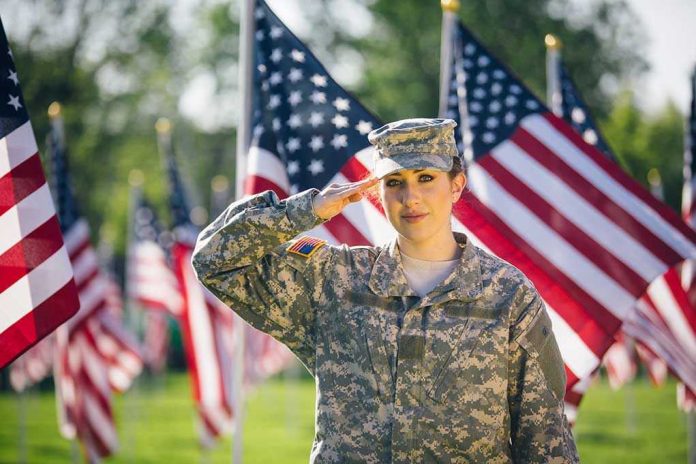
In March 2025, under the Trump administration, Defense Secretary Pete Hegseth ordered a comprehensive review of women’s roles in combat positions. This initiative aims to assess their effectiveness and establish uniform standards across genders. The review marks a departure from a decade of integration efforts that began in 2015 when combat roles opened to women. While the Pentagon frames this as a move towards enhancing military readiness and lethality, it has stirred controversy among advocates who view it as a rollback of progress.
The directive includes a 45-day review of independent advisory committees and the dismissal of all members of the Defense Advisory Committee on Women in the Services (DACOWITS). Established 74 years ago, DACOWITS was instrumental in advocating for women’s integration into the military. Critics argue that dismantling such committees undermines institutional expertise and could harm military morale and recruitment.
Current Policy Changes and Their Implications
The Army’s new fitness standards, announced in 2026, require men and women in combat specialties to achieve the same minimum scores. However, certain roles with fewer women, like artillery crewmen, are exempt, raising questions about the policy’s consistency. In contrast, roles with more female representation, such as artillery officers, must meet the standards. These changes are seen as part of an effort to refocus the military on combat readiness while eliminating diversity initiatives perceived as distractions.
Women veterans and advocates warn that these changes could discourage female recruits and reduce military effectiveness. The removal of high-profile female leaders and the elimination of diversity programs also contribute to concerns about mentorship and career advancement opportunities for women in the military.
Long-Term Effects on Military and Society
The long-term implications of these policy shifts could significantly impact military recruitment and readiness. With women making up nearly 20% of the military, the new standards and policies may deter potential recruits and affect force composition. The dismissal of female leaders and advisory committees could weaken efforts to maintain a gender-integrated military, ultimately impacting national defense capabilities.
Beyond the military, these changes may influence broader societal discussions on gender roles in traditionally male-dominated fields. The policy reversal could set a precedent for future decisions, potentially affecting diversity and inclusion efforts across various sectors.
The debate over women in combat roles highlights the tension between military readiness and gender equality. While the Pentagon insists on the necessity of these changes for lethality and readiness, advocates argue that inclusion strengthens military capability. As the review continues, its outcomes could reshape the future of women’s roles in the military and beyond.
Sources:
Congressional representative’s office (Rep. Houlahan)
Congressional representative’s office (Rep. Houlahan)
Pentagon launches new study on effectiveness of women in combat
NPR/WSHU reporting on Pentagon study launch