
A man tried to fire a pistol at the Nashville federal courthouse, the gun jammed, he drew a knife, and a court security officer shot him dead at the checkpoint.
Story Snapshot
- Police say the pistol jammed at the security checkpoint.
- The man drew a knife and advanced before he was shot.
- A court security officer affiliated with the United States Marshals Service fired.
- The suspect was taken to Vanderbilt University Medical Center and pronounced dead.
Checkpoint confrontation ended the threat at the door
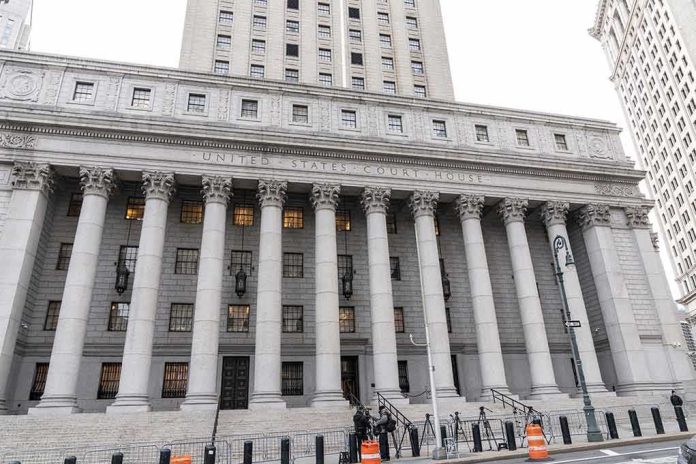
Metropolitan Nashville Police Department officials said the man reached the federal courthouse entrance, presented a pistol, and attempted to fire. The weapon jammed and did not discharge, according to the police spokesperson quoted at the scene. The suspect then drew a knife and confronted security at the screening area. A court security officer, identified by federal officials as affiliated with the United States Marshals Service, responded with gunfire and stopped the attack. The man never made it past the checkpoint.
First responders moved quickly to secure the block and clear nearby buildings. Authorities transported the wounded man to Vanderbilt University Medical Center, where doctors pronounced him dead. Police and federal partners searched a white sport utility vehicle tied to the suspect. Bomb technicians and dogs checked the vehicle and reported no explosives or secondary threats on site. Officials stressed that courthouse operations depend on layered screening, which blocked the suspect before he reached staff, jurors, or the public.
Who fired and how the response unfolded
Federal authorities said the shooter was a court security officer working under the United States Marshals Service umbrella for courthouse protection. That role covers entry screening, threat response, and coordination with local police. The quick handoff between the court officer, the Metropolitan Nashville Police Department, and federal agencies followed standard playbooks for a deadly force incident at a federal site. The scene drew the Federal Bureau of Investigation, the Bureau of Alcohol, Tobacco, Firearms and Explosives, and the Tennessee Bureau of Investigation.
Investigators will review ballistic evidence, radio traffic, and camera footage typical in federal facilities. They will also examine the pistol to confirm the malfunction described by police on the scene. A brief caveat belongs here: officials had not released the suspect’s name or motive in the first wave of reporting, which is common in the early hours of a courthouse incident. That delay protects next of kin and helps prevent bad identifications while teams lock down facts.
Courthouse security works in layers, not luck
Security professionals design courthouse entries to absorb shocks like this one. A single lane with screening, armed officers, and clear sight lines buys time when someone tests the perimeter. That is what happened in Nashville. The suspect reached the choke point, met resistance, and was stopped at the door. Experts have urged courts to document all incidents and near-misses, then share lessons across agencies to spot patterns and improve hardware, staffing, and drills.
A shooting at the federal courthouse in downtown Nashville left one person dead after a confrontation with security.
The shooting happened around 9:30 a.m. when an out-of-state man in his 40s parked outside the courthouse, walked in with a gun that did not fire, then pulled a…
— WTVC NewsChannel 9 (@newschannelnine) October 8, 2026
The wider record shows why vigilance matters. Federal guidance requires that every shooting be reported and reviewed for policy compliance and training value, even when officers act within the law and save lives. State court reports also show that many security incidents never reach a central database, which makes it harder to benchmark risks and fix weak spots before the next test. Nashville’s case will feed those lessons: the jammed gun, the switch to a knife, the officer’s timing, and the search for secondary devices.
Why this matters for public safety and the rule of law
Courthouses are where the government exercises justice in public. That makes them targets for people who want to intimidate, harm, or disrupt. The public expects firm control of those doors and fast, lawful action when a threat appears. The response in Nashville met that test: the checkpoint worked, the officer acted, and the teams cleared the area. That outcome aligns with common sense and with the duty to protect judges, staff, and citizens who come to seek justice.
Sources:
usmarshals.gov, fbi.gov, wsls.com, volunteerstatenews.com