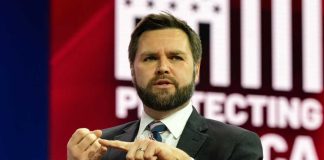

Benjamin Netanyahu turned a UN podium into a courtroom, and he named his accuser.
Story Snapshot
- Netanyahu vowed to defend Israeli soldiers at the UN and answer Zohran Mamdani by name.
- He had a scheduled slot to speak during the UN General Assembly in New York.
- The International Criminal Court issued an arrest warrant for Netanyahu in 2024.
- New York City cannot enforce that warrant; federal law and immunity control.
Netanyahu’s Promise: A Defense Framed as a Showdown
Benjamin Netanyahu said he would come to the United Nations and “tell the truth” about Israeli soldiers. He also said he would tell the truth about New York City Mayor Zohran Mamdani, who called him a war criminal. He tied his message to the October 7 attacks and accused Mamdani of backing “Hamas terrorist monsters” who “butchered our people”. He set up a simple contrast: soldiers he calls heroic versus an elected critic who, in his view, slanders them.
That framing raises the stakes beyond policy. Netanyahu made it personal, and he did it on purpose. Supporters see a leader standing up for troops who fought a ruthless enemy. Critics see a deflection from legal peril. The power of his line rests on moral clarity. That is why he named Mamdani, and why the speech mattered to people who may not follow every headline. He wanted the clip to travel faster than any legal brief.
The Legal Backdrop: Warrants, Immunity, and Jurisdiction
The International Criminal Court issued arrest warrants in 2024 for Netanyahu and Yoav Gallant. The court said it had “reasonable grounds” to believe crimes were committed in Gaza after October 8, 2023. The warrant does not prove guilt, but it shapes the public fight. Meanwhile, the United States is not a party to the court. New York City has no legal power to enforce the warrant. Federal law and diplomatic immunity govern a visiting head of government.
That mix creates a split screen. One screen shows a global court’s claim of criminal responsibility. The other shows a United States system that shields a visiting leader and controls arrests at the federal level. For an American audience, the key fact is simple. City police cannot detain a foreign head of government on an International Criminal Court warrant. That is why Mamdani’s talk of arrest met a hard stop at the law, even as he pressed his moral case.
The Stage and the Stakes at the UN General Assembly
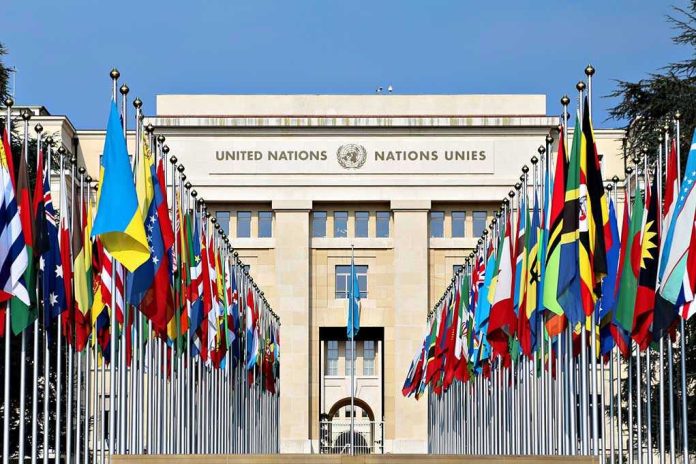
The Jerusalem Post reported Netanyahu’s plan to travel to New York and address the General Assembly. That set the scene for a direct answer to his critics on the world stage. The United Nations venue guaranteed attention, and it gave him something else. It let him speak to both foreign leaders and American voters. He aimed to recast the story from alleged crimes to national defense. He also aimed to force a choice: stand with Israel’s soldiers, or with those he says excuse Hamas.
Israeli Prime Minister Benjamin Netanyahu has condemned New York Mayor Zohran Mamdani ahead of his planned UN General Assembly appearance. The latest clash follows Mamdani’s renewed call for Netanyahu to face arrest over the International Criminal Court warrant. Mamdani has… pic.twitter.com/Qe18Uqybkt
— IndiaToday (@IndiaToday) September 22, 2026
Conservatives will judge the argument by two tests: facts and fairness. On facts, the warrant is real, and the accusations are grave. On fairness, the law of the United States bars a local arrest and respects the immunity of a visiting leader. Those truths can, and do, exist at the same time. The question becomes whether the conduct in Gaza followed the law of war. Netanyahu says yes. The court says it has grounds to think otherwise. The forum for that fight is not a city hall press room.
What the Speech Could and Could Not Settle
The speech could rally allies, calm Israel’s backers, and counter a viral clip. It also could remind Americans that Hamas started the war with mass murder, kidnapping, and rockets. That context drives support for strong force. But a speech cannot erase a warrant or end a case. The International Criminal Court process runs on filings, evidence, and judges, not microphone lines. The New York enforcement theater is also a dead end. Federal control and immunity rules mean no local cuffs.
The right next step is sunlight on evidence. If Israel wants to win the argument on conduct, it should release legal reviews, targeting files, and after-action reports. That level of detail helps show intent, care, and compliance. It also tests claims about hospitals, aid, and civilian harm. The court should disclose as much of its record as safety allows. Voters deserve more than slogans from either side. They deserve a clear view of what was done, why, and by whom.
Sources:
nypost.com, npr.org, theguardian.com, bbc.com