
Airlines are drawing a hard line as Immigration and Customs Enforcement steps up arrests at U.S. airports, and the fight is now about where enforcement should happen, not whether it exists.
Story Snapshot
- Airlines have pushed for clearer rules on ICE arrests inside airports, especially near gates and jet bridges.
- Reporting says some carriers want arrests moved to TSA checkpoints or before security screening.
- The pushback comes as airport arrests rise and some detentions are filmed in highly visible boarding areas.
- DHS says it is working with aviation stakeholders, while airlines say safety and protocol need clearer limits.
What Airlines Are Objecting To
Recent reporting says airline representatives met with the Department of Homeland Security and asked for more defined procedures when law enforcement shows up at airports. Their main concern is not abstract policy. It is the practical risk of agents trying to make arrests in gate areas, on jet bridges, or near boarding passengers, where confusion can spill into the normal flow of travel.
The Wall Street Journal reported that one Southwest Airlines gate agent blocked an Immigration and Customs Enforcement officer from boarding a Dallas flight on July 25. The same reporting said ICE leaders had told officers to try arrests at Transportation Security Administration checkpoints when possible, but that the directive had not been followed consistently. That detail matters because it shows the dispute is about airport procedure as much as immigration enforcement.
Why The Dispute Became Visible
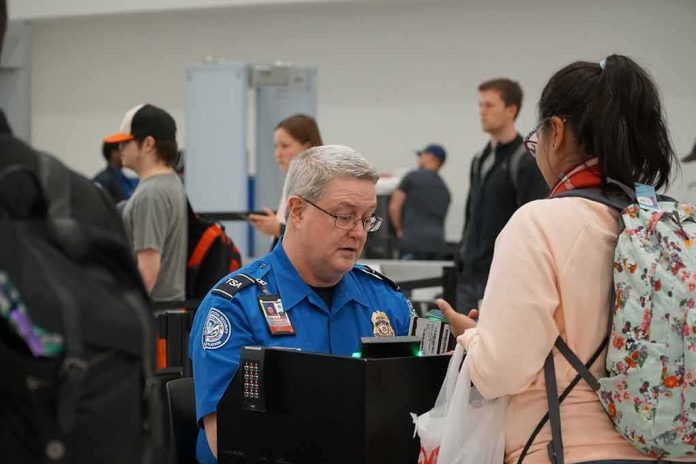
The airport setting makes every arrest harder to ignore. CBS News reported that arrests have taken place in gate areas and, in some cases, on jet bridges or on aircraft at the gate. That is exactly why airlines are pressing for clearer boundaries. When enforcement moves into a boarding area, it can put employees, passengers, and security staff in the same narrow space at the same time.
Several reports also say the scale has grown fast. The Wall Street Journal and other coverage described airport arrests ranging from a dozen to three dozen per day in recent periods. The New York Times reported that a May 2025 agreement allowed the Transportation Security Administration to share information with ICE for enforcement purposes, including names of non-citizen travelers flagged through the system. That link helps explain why airport operations now sit at the center of the crackdown.
What Airlines Are Really Trying To Protect
Airlines for America, the main trade group for major carriers, said its members have had “constructive” talks with ICE and the Transportation Security Administration to make sure law-enforcement activity at airports follows proper procedures and protects safety and security. That statement shows the industry is not asking for immunity from federal law. It is asking for rules that keep arrest operations from colliding with boarding, screening, and crew movement.
ICE agents are making up to 40 arrests a day at the airports …..but they're also facing pushback from the airlines
News Nation's Brook Shaeffer: “The plans already facing backlash. Newark's mayor said there's no correlation between the right of peaceful assembly and the orderly… pic.twitter.com/5oBEl2SCls— Worldwide News Network (@WorldwideNNX) August 7, 2026
That position also fits the airline playbook. Carriers usually do not want to be seen fighting federal enforcement outright, because they still depend on federal airport security systems. But they do want to protect staff from being caught in the middle. CNN and CBS reporting said Southwest has told employees to require proper legal documentation before interactions in gate areas, which shows the airlines are trying to define a safer line of contact.
What The Counter-Case Says
DHS is not denying the arrests. Reporting says the department sees the airport effort as part of a broader crackdown on people accused of being in the country unlawfully, including travelers with expired visas or deportation orders. In other words, DHS’s argument is straightforward: it is enforcing immigration law in a lawful setting, and airports are one place where it can find people who are about to travel while removable under federal rules.
That is the strongest point on the government side. The record shows this is not random theater. It is a working enforcement channel with real targets, real airport access, and real collaboration between federal agencies. But the same record also leaves a key question unanswered: whether secure-area arrests are necessary, or whether they simply create more disruption than a pre-security arrest would. The reporting does not settle that dispute.
Why This Fight Matters Beyond Airports
This clash is really about control of a public system. Airports run on tight timing, layered security, and limited tolerance for surprise. When immigration agents enter that system, airlines lose some control over the passenger experience, even if they do not control the arrests themselves. That is why the issue has spread so quickly from one Southwest incident to a broader industry concern.
The public reaction also shows how fast a procedure fight can turn into a culture war. Video of an arrest at a gate or on a jet bridge is vivid and easy to share. A statement about protocols is not. That gap gives the images more power than the underlying facts. The result is a debate that looks emotional on the surface, but underneath is really about who gets to set the rules inside a federally controlled space.
Sources:
cbsnews.com, wsj.com, aol.com, theguardian.com, facebook.com, youtube.com, instagram.com