
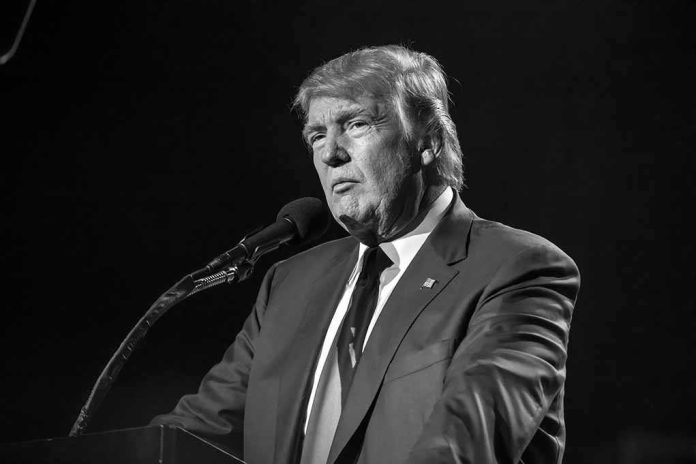
At the United Nations entrance, President Trump told CNN’s Kaitlan Collins, “You should not be here,” and lit a fuse under a larger fight over who gets to cover the presidency.
At a Glance
- Trump rebuked CNN’s Collins at the United Nations during a live press scrum.
- The clash followed Trump’s ban of three outlets from White House access.
- Collins said the United Nations credentialed CNN and the network never vowed to stop coverage.
- A court fight over press access now looms, echoing past First Amendment battles.
What Happened at the United Nations Doorway
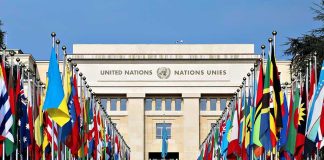
President Trump walked into the United Nations General Assembly and spotted CNN’s Kaitlan Collins. He said, “I’m surprised that CNN is here covering me. You should not be here,” and added that CNN had said it would not cover him. Collins tried to ask about the war in Iran before the exchange ended. The moment set the tone for the day and fed into a running clash between the White House and several outlets now fighting for access in court.
Collins later pushed back on air. She said CNN never said it would stop covering Trump and that the United Nations had credentialed her team to report from the event. That detail matters because the United Nations runs its own credentialing process. A White House ban does not control who stands on the plaza in New York. The pathway into the building is a separate gate, a separate badge, and in this case, a separate dispute.
Why This Skirmish Carries Bigger Stakes
The scuffle sits inside a bigger legal and cultural fight. The White House recently blocked CNN, MS Now, and Politico from the complex, citing what Trump called unfair or false reporting. Legal experts told Reuters that bans based on viewpoint face long odds in court because the government cannot punish speech for its content. The next hearing could clarify how far a president can go in controlling access while still honoring the First Amendment.
Courts have weighed in on similar fights before. In 1977, a federal appeals court in Sherrill v. Knight said once the White House opens a press facility, it cannot deny credentials for vague or arbitrary reasons. Process and notice matter. In 2018, a federal judge ordered the Trump White House to restore a CNN reporter’s pass after a suspension. Those rulings form the backdrop for today’s dispute over bans tied to tough coverage.
The Competing Claims, Side by Side
Trump’s claim at the United Nations was direct: he said CNN had declared it would not cover him and that the network should not be there. That statement tracks with his larger view that outlets he sees as hostile do not deserve privileged access. Collins responded that CNN never made such a pledge and would keep reporting daily on the president’s schedule and speech, including meetings with world leaders. That promise undercuts any narrative that CNN staged a boycott.
Trump Takes Jab at CNN During UN Arrival
President Trump took a jab at CNN while arriving at the United Nations, telling its reporter: “I’m surprised CNN is here covering me. You said you would not be covering me. You shouldn’t be here.” pic.twitter.com/royhhSPE4K
— Eli Goldman | אלי גולדמן (@EliGoldman) September 23, 2026
The facts support a narrow conclusion. The United Nations credentialed CNN, so its presence at the General Assembly did not violate a White House ban. Trump’s frustration reflects a belief that access should come with fairness, not attacks. Many Americans agree with that instinct. But the cure cannot be worse than the disease. If the government can reward friendly coverage and punish critics, the press becomes a mascot, not a watchdog. Courts have long warned against that slide.
What Matters for Viewers and Voters
Viewers do not need another shouting match; they need daylight. The country wins when press access is broad, transparent, and tough. Let the cameras in, let the questions fly, and let the audience judge the answers. If coverage is sloppy or slanted, push back hard in public, release transcripts, post full videos, and use the bully pulpit with receipts. That approach aligns with free speech and with common sense about competition in the marketplace of ideas.