
A twelve-year-old boy’s tragic death in cartel crossfire has exposed the deadly reality facing Mexican families who simply break down on the wrong highway at the wrong time.
Story Overview
- Gabriel Alonso, 12, died when his family’s broken-down vehicle left them trapped between National Guard forces and criminals on the Durango-Zacatecas highway
- The family was traveling to La Constancia when their car broke down moments before an armed confrontation erupted
- Gabriel’s funeral at Durango Cathedral drew hundreds demanding justice and an end to impunity
- The incident highlights the vulnerability of civilians caught in Mexico’s ongoing cartel wars
When a Breakdown Becomes a Death Sentence
Gabriel Alonso’s family experienced every Mexican traveler’s nightmare scenario. Their vehicle broke down on the Durango-Zacatecas highway while heading to the small settlement of La Constancia. Within moments of becoming stranded, an armed confrontation exploded around them between National Guard forces and criminal groups. The twelve-year-old boy became collateral damage in a firefight he never should have witnessed.
The highway where Gabriel died sits in Mexico’s notorious “Triangle of Gold” region, encompassing Durango, Sinaloa, and Chihuahua states. These routes serve as crucial drug trafficking corridors where cartels like the Sinaloa organization clash with rivals and government forces. For ordinary families, a simple car breakdown can transform into a life-or-death situation when caught between heavily armed adversaries.
A Community’s Grief Transforms Into Outrage
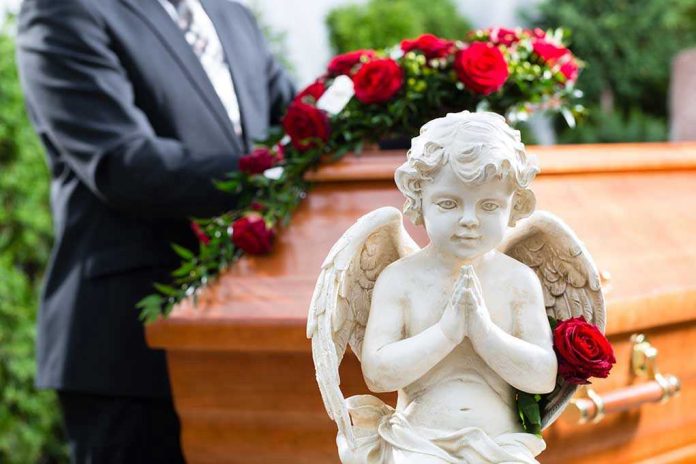
Thursday’s funeral at Durango Cathedral painted a heartbreaking picture of innocence lost. The white hearse carried balloons reading “vuela alto” (fly high) as Gabriel’s parents, schoolmates, and hundreds of community members gathered to say goodbye. The service became more than a funeral—it transformed into a public outcry against the violence consuming their region.
Attendees expressed what local media described as a “profound sense of injustice” and demanded Gabriel’s death not be forgotten or go unpunished. The cathedral setting amplified the symbolic weight of the ceremony, turning a family’s private grief into a community’s public demand for accountability. Gabriel’s schoolmates attended, confronting a harsh lesson about the reality of life in cartel-controlled territories.
The Deadly Mathematics of Mexico’s Security Strategy
Gabriel’s death exposes the fundamental flaw in Mexico’s militarized approach to cartel violence. The National Guard, deployed since 2019 as part of former President López Obrador’s security strategy, operates in environments where distinguishing between criminals and civilians becomes impossible during active confrontations. When shootouts erupt on public highways, families like Gabriel’s become trapped in crossfire through no fault of their own.
The incident underscores how Mexico’s “hugs not bullets” policy has failed to protect the most vulnerable. Despite promises of reduced violence through social programs rather than military action, regions like Durango continue experiencing regular armed clashes. Gabriel represents countless civilians whose only crime was being in the wrong place when rival forces decided to settle their differences with bullets.
Justice Delayed, Justice Denied
Gabriel’s funeral concluded with demands that his death not join the ranks of Mexico’s countless unsolved cases. The family and community’s calls for justice face an uphill battle against a system where cartel violence investigations often stall or disappear entirely. No information has emerged about potential arrests or accountability measures for those responsible.
The twelve-year-old’s death serves as a stark reminder that Mexico’s security crisis extends far beyond cartel members and law enforcement. Ordinary families attempting routine travel face risks that should be unimaginable in a functioning society. Gabriel Alonso’s name now joins a tragic roster of innocents whose deaths demand answers that may never come.