
A fast-moving horse virus is threatening the “Super Bowl of rodeo” in Las Vegas, putting animal health, cowboy livelihoods, and a key piece of Western culture on the line.
Story Snapshot
- A confirmed EHV‑1 outbreak tied to National Finals Rodeo horses is forcing quarantine rules and emergency restrictions.
- Organizers and state vets are scrambling to contain the virus while trying to keep America’s biggest rodeo running.
- Local Las Vegas businesses that depend on NFR traffic are already losing thousands of dollars in revenue.
- The scare raises hard questions about biosecurity, regulatory overreach, and protecting Western traditions.
Equine virus outbreak collides with America’s biggest rodeo stage
At the very moment rural America looks to Las Vegas to celebrate grit, faith, and Western heritage, a confirmed outbreak of equine herpesvirus, or EHV‑1, has hit horses linked to the National Finals Rodeo and related events. Health officials and rodeo organizers have responded with quarantine measures, movement restrictions, and emergency operational changes. That means fewer horses moving freely, tighter checks at the gates, and anxious competitors calculating whether hauling prized mounts into Nevada still makes sense.
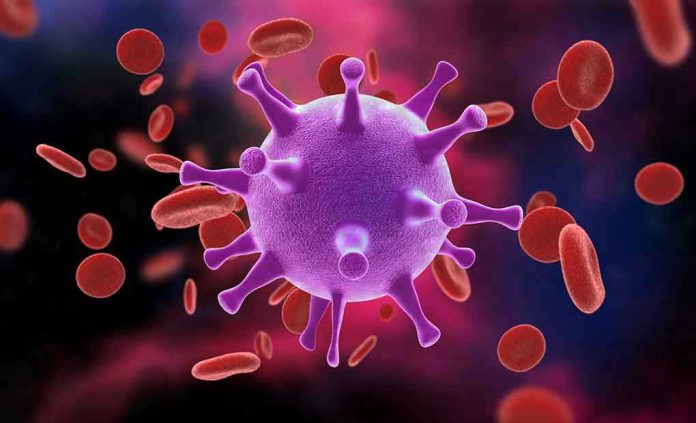
Unlike the political “crises” often manufactured by coastal elites, this is a real-world problem that hits working horsemen where it hurts: their animals and their livelihood. EHV‑1 is highly contagious among horses, spread through respiratory droplets, shared equipment, and close stabling. It does not infect humans, but it can cause respiratory disease, late-term abortions, and a devastating neurologic condition that can leave valuable horses stumbling, paralyzed, or worse. For families who have mortgaged farms to own a top-tier rodeo horse, that risk is personal.
How EHV‑1 spreads and why NFR is uniquely vulnerable
National Finals Rodeo is not a small-town jackpot; it is a multi-day, tightly packed championship event drawing hundreds if not thousands of horses into temporary stalls, shared warm-up pens, and crowded alleys. Horses haul in from fall circuits, qualifiers, and exhibitions across multiple states, often after weeks of stressful travel. That exact mix—long hauls, unfamiliar barns, and dense housing—creates ideal conditions for an endemic virus like EHV‑1 to erupt into a serious outbreak.
Veterinarians typically see the same pattern: one show, clinic, or barn unknowingly becomes a source, a few horses spike fevers or show mild respiratory signs, and by the time testing confirms EHV‑1, other horses have already shipped to their next stop. In this case, media reports from Las Vegas describe an outbreak “forcing major changes” at this year’s NFR and costing local businesses thousands in lost revenue. That language suggests at least one recognized cluster of positive horses significant enough to alter event operations, but not yet enough to shut down the main rodeo entirely.
Emergency controls, regulatory power, and what they mean for competitors
Once state animal health authorities and event vets confirm EHV‑1, the rulebook gets real very quickly. Horses from affected barns can face mandatory quarantine, facilities can be locked down, and movement restrictions can follow them across state lines. For NFR, that likely translates into stricter entry health documentation, daily temperature checks, and isolation stalls for any horse that even hints at a fever. Some side events, parades, or exhibitions may be canceled or trimmed back to reduce unnecessary mixing of horses.
On paper, those steps sound reasonable; no responsible cowboy wants to see horses suffer or the virus spreading unchecked. But conservatives know that once regulators are in the saddle, there is always a risk of overreach, mission creep, and one-size-fits-all rules that punish families who have done things right. Rodeo organizers must answer to the Nevada state veterinarian and agriculture department, which hold the power to order quarantines and movement bans. That dynamic leaves contestants and stock contractors wary that a few bad test results could sideline entire strings for weeks.
Economic shock for Las Vegas and rural businesses tied to the NFR economy
What happens in Vegas during rodeo season does not stay in Vegas; it flows back to small towns across the West. Hotels, casinos, restaurants, western-wear shops, farriers, vets, boarding barns, and haulers all build December plans around NFR traffic. Local media are already reporting “thousands of dollars” in lost revenue tied to outbreak-driven changes. Fewer horses and fewer side events mean fewer families booking extra nights, fewer trade-show booths, and less cash turning over in the rural supply chain that feeds this massive spectacle.
For conservative readers who have survived years of shutdowns, mandates, and government-induced slowdowns, this feels familiar. The difference this time is that President Trump’s administration in Washington is not the one pushing blanket lockdowns or draconian restrictions. The federal climate is friendlier to keeping America open, but state and local regulators still wield real power. How Nevada chooses to balance economic survival with legitimate animal-health concerns will be a test of whether officials learned anything from the heavy-handed pandemic era.
Protecting Western tradition without inviting permanent “biosecurity” bureaucracy
In the short term, serious biosecurity is non-negotiable: clean water buckets, disinfected stalls, controlled barn access, and transparent communication between vets, trainers, and officials can mean the difference between a contained cluster and a season-ending disaster. Long term, though, rodeo people must guard against allowing temporary emergency rules to harden into permanent bureaucratic burdens. Some experts are already calling for more standardized national protocols for EHV‑1 at big events, including pre-arrival temperature logs, enhanced documentation, and designated isolation barns.
Thoughtful conservatives will ask the hard questions: Are new rules narrowly tailored to genuine risk, or are they opportunities for regulators to expand their footprint on private agriculture and sport? Do requirements respect property rights and the realities of small family operations, or do they favor only the largest, best-capitalized outfits? The NFR outbreak will become a case study in how to defend both animal welfare and liberty—keeping horses safe without letting “safety” become the next excuse to trample Western culture.
Sources:
Threat of equine virus looming over nation’s largest rodeo event in Las Vegas – The Washington Times
Threat of equine virus looms over nation’s largest rodeo event in Las Vegas – Citizen Tribune
Threat of equine virus looms over nation’s largest rodeo event in Las Vegas – KSAT