
The midterm convention asked Republicans to pay up, show up, and gamble on Trump’s brand — all at once.
At a Glance
- House members faced a reported $25,000 minimum to access rooms and events.
- State parties rolled out high-dollar tiers, then some cut prices amid soft demand.
- Reports flagged only about 2,000 tickets distributed days out, spurring a seat-filling push.
- Organizers projected tens of thousands and framed the event as a turnout machine.
The Money Ask That Flipped the Script
Republican leaders told members and donors to write big checks if they wanted in. A National Republican Congressional Committee memo set a $25,000 minimum for House members to access hotel rooms and events, a number that raised eyebrows even among allies who rarely flinch at fundraising asks. State parties offered premium tiers as high as $20,000, mirroring elite donor models more common in New York or Las Vegas galas than midterm barnstorms. Texas Republicans later cut top-tier prices by half, a sign that demand lagged the initial hype.
Backers argued the pricing would rally donors and centralize money for key races. They said the model ensures everyone has skin in the game and moves funds toward swing-district candidates who need late cash and ground muscle. That case fits a clear goal: build a turnout surge rather than win a debate on issues. Still, the direction of money matters. When candidates pay to attend, it risks draining limited time and cash from their districts when early voting and ad buys loom largest.
Attendance Jitters vs. Big-Crowd Promises
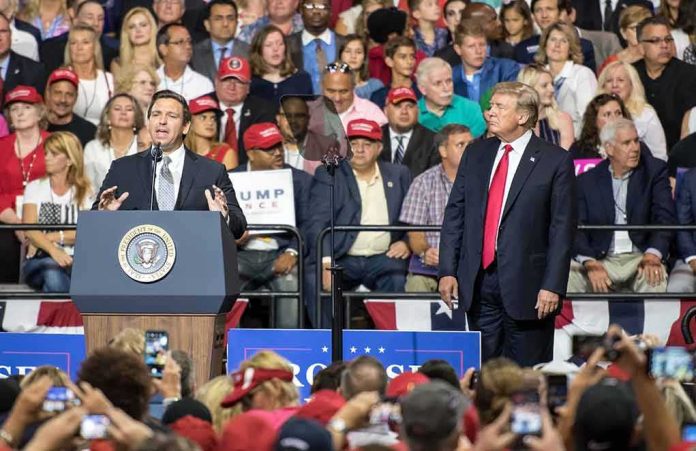
Headcounts defined the narrative fight. The Hill reported that only about 2,000 tickets had been distributed days before the gathering, which pushed organizers to launch last-minute tactics, including a free-ticket lottery, to fill seats. Organizers countered with big forecasts, with backers telling Reuters to expect crowds in the tens of thousands at the Dallas arena and downtown spillovers. USA Today framed the whole thing as built for an audience of one, which highlights the central bet: tie down-ballot fortunes to President Trump’s stagecraft.
Both pictures can be true. Early numbers can drag while final-night energy looks strong on television. But campaigns run on the margins. If staff had to scramble to move seats, that is staff not booking local media, recruiting poll workers, or locking precinct captains. Smart parties do both. They fill the big room and the small town hall. The question is whether the spectacle helps the grind or overshadows it.
The Brand Risk for Swing Districts
Trump’s job approval hung over the strategy. USA Today pointed to a 33% approval rating and warned that a Trump-centered show could weigh down candidates who need suburban moderates to split tickets or come back to the party late. National approval is a blunt yardstick, but it flags risk in purple suburbs where enthusiasm peaks for one side can trigger equal and opposite turnout for the other. Critics inside the party also noted that several candidates and lawmakers planned to skip, citing district work and life events.
Absences do not prove a boycott. Campaigns miss national events every cycle for family and field reasons. But the pattern matters. When many Republicans pass on a marquee event, it suggests the calendar calculus did not favor the trip. Common sense says a member in a two-point race should spend the weekend on local doors, not at a downtown reception that might play poorly in a split district.
Does the Math Work for November?
The short answer: the jury is still out. The reporting shows hard asks, soft early demand, and a heavy spotlight on Trump. It does not yet show district-level vote shifts or clear fundraising boosts tied to the event. Supporters say the structure concentrates dollars and media reach at the perfect moment. Skeptics say it taxes candidates and nationalizes races that should stay local. Both claims are testable after disclosures and post-event polling land.
🚨 NOW: President Trump has boarded Air Force One in New Jersey, en route to DC
This week will be JAM PACKED, with President Trump giving a speech on BOTH NIGHTS of the RNC Midterm Convention in Dallas
REPUBLICANS MUST SWEEP! 🇺🇸@MelGerardgv pic.twitter.com/lZLoy9FlOP
— Mel Gibson Gerard⭐ (@MelGerardgv) September 8, 2026
Conservatives value accountability, results, and wise stewardship. On those terms, the test is simple. If the convention increased net cash to frontline races, lifted volunteer sign-ups, and drove a clean message voters heard, then it pays. If it drained time, forced down-ballot candidates to pay for proximity, and turned swing voters off, then it backfired. The facts to watch next are not applause lines but filings, favorability in key districts, and whether candidates asked for seconds — or a refund.
Sources:
feedpress.me, politico.com, independent.co.uk, iheart.com, thehill.com, en.wikipedia.org, texasscorecard.com, reuters.com