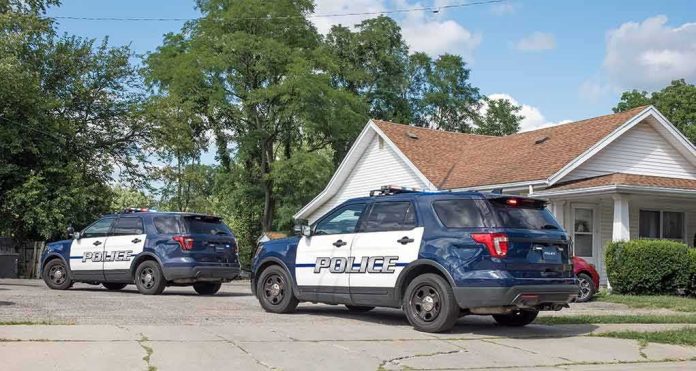
Deputies found 17-year-old twins stabbed to death in their Orlando home, and their father dead nearby, in what investigators called an apparent murder-suicide.
Story Snapshot
- Orange County deputies conducted a welfare check on Sept. 30 at a home on Courtney Chase Circle.
- Deputies found twins Carlo and Melanie Montiel Infantino, both 17, dead with multiple stab wounds.
- Deputies also found their father, 63-year-old Ivan Montiel Roa, dead in the home.
- Detectives said they believe the father killed the twins and then died by suicide.
Deputies’ Timeline And What They Found
Orange County Sheriff’s Office deputies went to the 1200 block of Courtney Chase Circle on Sept. 30 for a welfare check requested for the family’s home. Inside, deputies found twins Carlo and Melanie, both 17, dead in the living room with multiple stab wounds, according to local reporting that cites the Sheriff’s Office. Deputies also found their father, Ivan Montiel Roa, 63, dead elsewhere in the home. Detectives publicly stated they believe the father killed the teens and then killed himself.
The Sheriff’s Office identified each person by name and age, and confirmed the family ties. Reporters described the scene location and the well-being check call consistently across outlets, building a clear frame for what happened that afternoon. Authorities did not release a motive. Detectives said the investigation remains active, which aligns with the careful language of “believe” and “apparent” used in early case updates while evidence is still reviewed.
How This Fits A Broader Pattern Of Domestic Murder-Suicide
This case sits within a known pattern: most murder-suicides happen in the home and involve male offenders acting alone. National reviews have found about 91 percent of offenders are male and roughly 78 percent of incidents occur in a residence, which matches the Florida scene here. Researchers and law enforcement training materials also describe a frequent link to domestic conflict or control dynamics, even when neighbors or friends say the family seemed typical days before.
Media coverage tends to lock in an “apparent” label early because police need to inform the public and process the scene. That early frame can harden fast. Responsible coverage keeps details clear and avoids sensational tips that could do harm. Journalism research urges plain, careful language on method and sequence, and a focus on verified facts rather than lurid extras, a standard that protects families and does not glamorize violence.
What Investigators Typically Examine Next
After a scene like this, investigators and medical examiners follow a precise checklist to confirm cause and manner of death. Autopsy protocols call for full body exams, injury mapping, toxicology, and time-of-death estimates. Detectives compare those results with the scene diagram, blood patterns, and weapon recovery to confirm sequence and exclude outside actors. They review phones, messages, and prior calls for service to learn about stressors or threats in the days before the deaths.
Detectives also examine access points and any building security logs to confirm who entered and when. They align those records with dispatch timelines from the welfare check. This methodical grind is not dramatic, but it is what produces final answers that stand up to common sense and the law. When the suspected offender is deceased, thoroughness matters even more because there will be no trial to test the evidence.
Community Shock, Clear Facts, And Plain Demands
Neighbors and classmates will ask why, and that is human. Law enforcement’s job is to close the gap between shock and facts. The public has a right to straight answers about sequence, injuries, the weapon used, and the absence of any third party. The Sheriff’s Office has already shared the core finding that the twins were stabbed and the father died by suicide, discovered during a welfare check at the family home. That clarity helps the community process the loss.
Families dealing with conflict or threats need a clear path to help before tragedy strikes. Research and training guides stress warning signs: prior violence, coercive control, or sudden isolation. When those signs appear, swift action saves lives—call law enforcement, seek a protective order, and involve trusted adults or faith leaders. Quiet problems inside a home can turn deadly fast. Plain talk, timely intervention, and firm boundaries are not just wise; they are life-saving.
Sources:
thegatewaypundit.com, themirror.com, clickorlando.com, abc6onyourside.com