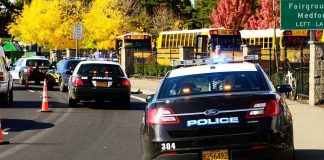

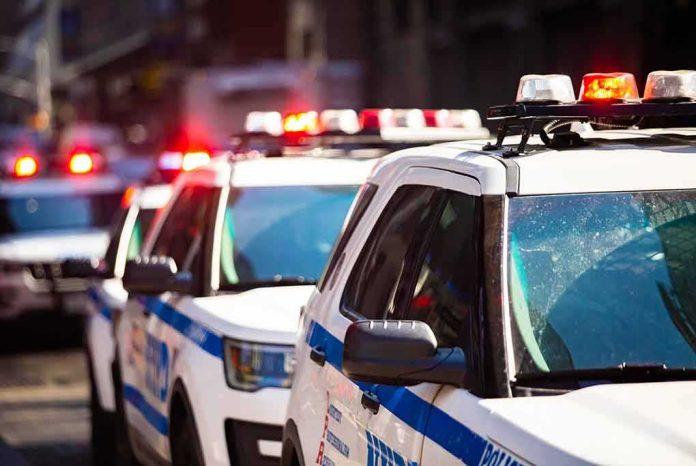
Ron DeSantis said Florida’s license plate reader surge is “out of control,” and he wants lawmakers to cage it fast.
Story Snapshot
- DeSantis urged new privacy limits on automated license plate readers at a Miami event.
- Florida already allows broad deployment under existing statute, with some data sealed from the public.
- Dozens of cities nationwide have walked away from Flock camera deals amid backlash.
- Policy experts say guardrails hinge on data scope, retention, access, and audits.
DeSantis draws a line: rein in the plate scanners
Ron DeSantis told Floridians that automated license plate readers, including Flock systems, have grown past their original brief and need firm limits. He said the tools help police, but the way they now spread invites abuse and fear. He urged the Legislature to pass guardrails that protect the innocent and still catch the guilty. That stance fits a rising split inside the right: support tough-on-crime tools, but punish any drift toward a government that tracks everyone by default.
Calling the tech “out of control” landed because people can picture how it tracks daily life. A camera does not know if you are going to church, the pharmacy, a political meeting, or school pickup. It only knows your tag, time, and place, stitched together across cities. That pattern creates power. Without rules, any user with access can follow anyone. Common sense says the state must define who looks, why, for how long, and with proof left for audits.
Florida’s legal baseline already invites growth
Florida law lets the Department of Transportation place plate readers on state roads when a police agency asks, to collect criminal intelligence or investigative data. The law also shields certain information as confidential and exempt from disclosure. That pairing—easy placement plus sealed data—tilts toward growth. Proposed bills this year addressed related tech and added some privacy edges, but the core issue of network scale and retention remains the real fight.
Vendors thrive when more cameras join the grid. Each new node multiplies hits, which sells the next contract. That is a data network effect. Police value faster leads and stolen car recoveries. But residents pay the cost if the system logs ordinary life with no sunset. A prudent Florida policy would narrow use cases, cap retention to short windows, require documented queries, and mandate independent audits with penalties for misuse. Those steps align with conservative limits on state power.
The public backlash is not a fad; it is a pattern
National reporting shows cities dropping or canceling Flock programs this year amid privacy pushback. Protest groups in Florida span party lines and question how data is shared and how long it is kept. Critics point to mistaken stops, personal stalking claims, and protest-related lookups to argue that policy has lagged behind scale. Not every claim is proven, but the volume of cancellations and community hearings shows a trust gap that policy alone, not press releases, must close.
Ron DeSantis Says Flock Cameras Are 'Out of Control,' But Florida's Already Flooded With Surveillance https://t.co/Wj7f6Lq27m via @reason
— George Lominadze (@GeorgeLominadze) August 27, 2026
Research and policy shops flag the same levers over and over: scope, retention, access, and audits. States either confine license plate readers to narrow public safety tasks, or they set tight controls on retention and sharing, with real oversight. That map offers a template. Florida can write a bright-line rulebook: short default retention, warrant or written probable cause for historical lookbacks, ban bulk fishing, bar non-criminal tracking, and publish annual audit summaries that name violations and outcomes.
What “guardrails” should mean in plain English
Write the allowed uses in the statute, not in a vendor brochure. Keep data for days, not months, unless tied to an active case number. Require a supervisor to approve every historical search, with a written reason that auditors can review. Prohibit tracking based on protected speech, religion, or politics. Limit any private-property deployments to on-site security, with no network sharing beyond a police request tied to a case. Make misuse a firing offense, with criminal penalties for willful abuse.
Florida voters expect police to catch car thieves and violent offenders. They also expect the state to leave peaceful drivers alone. The best compromise is sharp, simple lines and short clocks. That approach reflects American conservative values: strong policing of criminals, strict limits on government tracking of the innocent, and transparency that deters mission creep. DeSantis put the ball on the Legislature’s 20-yard line. The next snap should be a clean, no-drama privacy bill that still lets cops do real police work.
Sources:
reason.com, wsj.com, yahoo.com, wfla.com, tcpalm.com, mynews13.com, abc7ny.com, ojp.gov, ij.org