
A forensic scientist’s chilling testimony revealed Ana Walshe’s DNA on a hacksaw, hatchet, and bloodstained rug found in her own home, painting a gruesome picture of what prosecutors say was her husband’s calculated plan to murder and dismember her.
Story Snapshot
- Massachusetts forensic scientist testifies Ana Walshe’s DNA found on hacksaw, hatchet, and bloody rug from couple’s Cohasset home
- Prosecution argues Brian Walshe beat his wife to death on January 1, 2023, then dismembered her body using the recovered tools
- Brian pleaded guilty to misleading investigators and improperly conveying a body, but maintains innocence on murder charge
- Ana’s body has never been found, making this a rare “no-body” murder prosecution in Massachusetts
- Defense claims Ana’s death was “sudden and unexplained,” challenging the premeditation theory
The Forensic Evidence That Could Seal Brian Walshe’s Fate
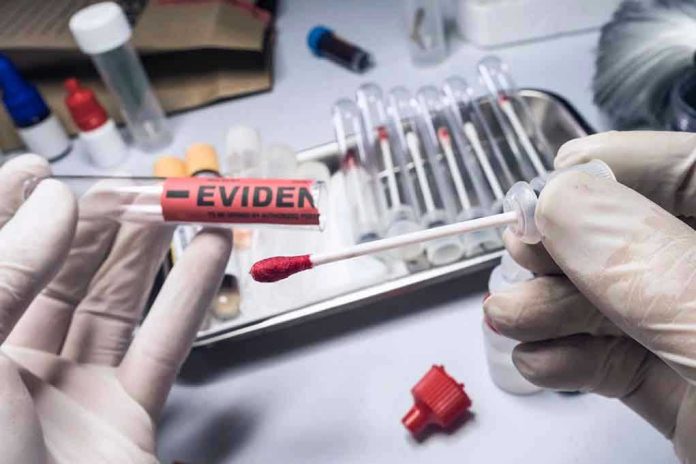
The courtroom fell silent as the Massachusetts state forensic scientist delivered testimony that prosecutors hope will convince jurors Brian Walshe murdered his wife. DNA consistent with Ana Walshe was discovered on three key items recovered from the couple’s basement: a hacksaw, a hatchet, and a bloodstained rug. The scientist’s methodical presentation of findings represents the prosecution’s strongest physical evidence linking Brian to his wife’s alleged killing.
These weren’t random household items gathering dust in storage. Prosecutors paint a sinister picture of tools deliberately chosen for dismemberment, purchased with intent, and used in what they describe as a calculated execution. The presence of Ana’s biological material on cutting implements tells a story the prosecution believes speaks louder than any witness testimony could.
Digital Breadcrumbs and a Husband’s Suspicious Behavior
Brian Walshe’s Google search history reads like a criminal’s how-to manual. Searches for “how long before a body starts to smell,” “dismemberment,” and “can you be charged with murder without a body” appeared on multiple devices, including his son’s iPad. These digital breadcrumbs, combined with location data showing trips to various dumpsters, form what prosecutors call a clear pattern of premeditation and cover-up attempts.
The timeline grows more damning when examined closely. On January 1, 2023, Brian made a trip to Lowe’s, purchasing cleaning supplies that police later found in the basement alongside the bloody evidence. His initial story that Ana flew to Washington D.C. for a work emergency crumbled when investigators found no record of her boarding any flight or using credit cards after January 1.
A Defense Fighting Uphill Against Overwhelming Circumstantial Evidence
Defense attorney Larry Tipton faces the monumental task of creating reasonable doubt in a case where physical and digital evidence appears overwhelming. His strategy centers on challenging the interpretation of forensic findings, arguing that DNA presence doesn’t automatically prove murder occurred. The defense maintains Ana’s death was “sudden and unexplained,” suggesting an accident or medical emergency rather than premeditated violence.
Yet Brian’s previous guilty plea to misleading investigators and improperly conveying a human body significantly undermines the defense position. By admitting he lied to police and improperly handled Ana’s remains, Brian has already acknowledged wrongdoing. The question now becomes whether jurors will believe his actions stemmed from panic over an accidental death or guilt over deliberate murder.
Sources:
Biography.com – Brian Walshe Murder Trial
Wikipedia – Disappearance of Ana Walshe