

Spain’s prime minister just bet his government on an election he didn’t have to call, and he’s doing it with his back against the wall.
Quick Take
- Prime Minister Pedro Sánchez called a snap general election for November 29, moving up a vote originally set for 2027.
- The announcement came days after Spain’s parliament rejected two government decrees meant to ease the housing crisis.
- Thousands of protesters have marched in Madrid and dozens of other cities over soaring rents and evictions.
- A surge of migrants into a Spanish enclave in North Africa has added a second front to the political fight.
A Government Defeated on Housing Forces Sánchez’s Hand
Sánchez announced the early election Monday from Madrid’s Moncloa Palace, days after his minority government lost a key vote in Congress. Lawmakers rejected two housing decrees designed to protect tenants and calm a rental market that has turned into a political storm. The defeat left Sánchez with few options. He chose to go to voters directly rather than limp through another year trying to pass legislation through a hostile parliament.
The rejected decrees were not minor tweaks. They were part of the government’s broader answer to a housing shortage that has pushed rents and home prices far out of reach for ordinary families. Congress voted them down Friday despite last-minute negotiating by Sánchez’s team to find enough support. That failure, following months of public anger, made an early vote look less like a choice and more like a necessity.
Protests Fill the Streets as Rents Hit Record Highs
The housing anger did not start in parliament. It started on the sidewalks. Demonstrators have packed Madrid and roughly 50 other Spanish cities, demanding rent relief and tenant protections. One case drew especially sharp attention: the eviction of an 87-year-old woman became a rallying point for the broader protest movement, according to reporting on the unrest that has gripped the country for weeks.
The numbers explain why people are furious. Average home prices in Spain jumped more than 50 percent between late 2020 and late 2025, far outpacing wage growth over the same stretch. Spain has long leaned on homeownership instead of public rental housing, and that imbalance, combined with tourism-driven demand, has squeezed renters especially hard in major cities and coastal hotspots. Opposition leader Alberto Núñez Feijóo publicly urged Sánchez to call elections as soon as possible after the housing vote failed.
Migration Adds a Second Flashpoint to an Already Tense Race
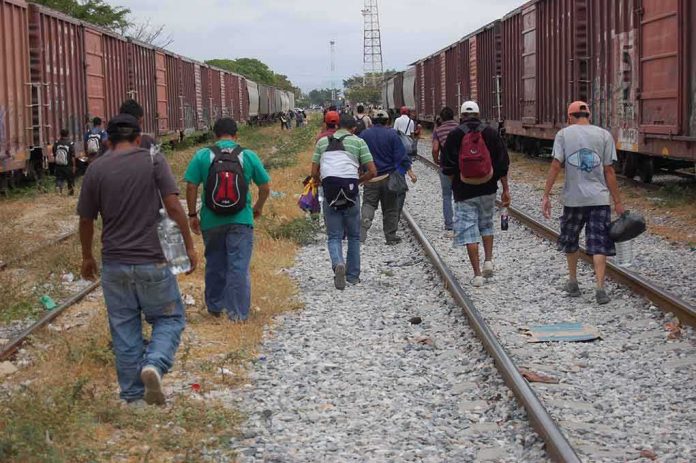
Housing is not the only crisis shadowing Sánchez into this campaign. A wave of migrants arriving at a Spanish enclave in North Africa has raised hard questions about border control and the government’s capacity to manage it, adding another layer of pressure on an already strained administration. Immigration has become a growing flashpoint across Spain’s political debate, mirroring a pattern seen elsewhere in Europe where cost-of-living anger and border concerns feed off each other.
Sánchez has built a reputation as one of Europe’s sharpest critics of President Trump and the populist right, which makes this election a closely watched test case well beyond Spain’s borders. A loss would hand momentum to conservative and right-leaning parties across the continent who argue that housing failures and loose migration policy go hand in hand. Voters frustrated by both issues now have a direct chance to render a verdict on nearly eight years of Sánchez’s leadership.
🚨🇪🇸 JUST IN: Spain’s PM Pedro Sánchez is facing a major political setback after calling snap elections for Nov. 29.
The center-right PP is currently favored, with a potential alliance with Vox threatening Sánchez’s grip on power.
📊 Polymarket gives PP around a 70% chance of… pic.twitter.com/PKZrZijIrw
— NewsXGlobal (@rpdnetwork) October 5, 2026
What Happens Next as Spain Heads to the Polls
The election text goes to Spain’s Official State Gazette, triggering a legally required 54-day campaign window before voting begins. That timeline puts the country on a fast track toward November 29, giving Sánchez’s Socialist party and its Sumar allies little time to rebuild public confidence. Critics inside and outside his own coalition have already called the housing rollout a costly failure after eight years in power.
Whatever voters decide, the race will turn on two questions Spaniards ask at kitchen tables every month: can they afford to stay in their homes, and can their government manage who crosses the border. Sánchez is gambling that calling the election himself, on his own terms, beats waiting for voters to force the issue later. Spain now finds out whether that gamble pays off.
Sources:
amp.dw.com, nytimes.com, freepressjournal.in, cnbc.com, cnn.com, theatlantic.com, aljazeera.com