
Police arrested Missouri state representative Anthony Ealy the day after his reelection on allegations he made deadly threats and referenced having a gun.
Story Snapshot
- Witnesses told police Ealy threatened to kill a man and said he had a firearm.
- Officers arrested Ealy about 20 minutes after the call, near the scene.
- Prosecutors filed fourth-degree assault and peace disturbance charges.
- Ealy denied making threats or mentioning a gun after his Miranda warning.
What Police And Witnesses Say Happened
Jefferson City police responded late morning to a disturbance outside a business where a family was arranging a funeral. Multiple witnesses told officers that Representative Anthony Ealy yelled threats, said he had a gun, and moved toward a man while repeating, “I’m going to kill you.” The probable-cause account describes the man glancing at Ealy’s waistband after hearing the gun claim, which shows why he feared for his safety. Officers documented that bystanders felt scared and disrupted.
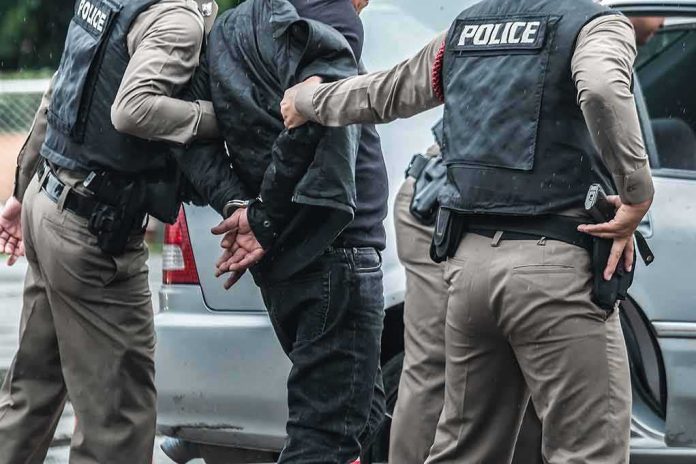
Officers reached the area at about 11:30 a.m., searched nearby, and found Ealy at a residence close to the scene. They arrested him around 11:51 a.m., according to the probable-cause narrative. Police reported no recovered gun at the time. The arrest followed witness reports and the described threats. The case file says the disturbance drew attention from people inside the business, adding to the sense of danger and chaos outside.
The Charges And The Paper Trail
The Cole County prosecutor charged Ealy with fourth-degree assault and peace disturbance. These are misdemeanor counts that match the alleged threats and the fear they caused. The booking and charge reports align with the timeline police gave on the day of the incident. The filings reflect the witness accounts that Ealy made repeated deadly threats and referenced a firearm during the confrontation near the business. One brief procedural note: a charge is an allegation, not proof of guilt.
The probable-cause statement, as described by local outlets, anchors the case. It quotes witnesses on the alleged threats word for word. It also notes the setting, the funeral context, and the rapid police response. That document forms the legal basis for the arrest and the charges now in court. KCTV’s coverage adds that people nearby felt fear and disruption, consistent with a peace disturbance claim under Missouri law.
Ealy’s Denial And How To Weigh It
After officers read him his Miranda rights, Ealy denied making any threats or mentioning a firearm. That denial appears in the same probable-cause record the state relies on. The contradiction is clear on its face: several witnesses claim deadly threats; Ealy says he did not make them. Common sense says prosecutors will lean on the witness group and the context. Conservatives will also stress personal accountability and the duty to avoid conduct that sparks public fear.
Is anyone still surprised when Democrats get arrested? A Missouri Democrat was ARRESTED THE DAY AFTER HE WON REELECTION with 68% of the vote.
State Rep. Anthony Ealy Jr., 32, is now facing criminal charges after witnesses reported that he caused a disturbance outside a Jefferson… pic.twitter.com/aVlujCSR0x
— Blue Lives Matter (@bluelivesmtr) November 8, 2026
Fair process still matters, and the court will decide what the evidence proves. But elected office does not soften the standard. If witnesses hold up under scrutiny, the alleged words are plain English and easy for a jury to understand. If the defense shows the scene was confused or the words were misheard, the case could narrow. For now, the charges reflect the reported threats and the public setting that raised the stakes.
Why The Timing Stings And What Comes Next
The arrest landed a day after Ealy’s election win, which guarantees public focus. Voters expect calm judgment from officials, even in tense moments. The Missouri House has tools for ethics review when conduct raises legal or moral concerns, up to removal from office in extreme cases under its rules and the state constitution. Such actions are rare and tend to follow clear findings, not just an arrest. The criminal case will likely move first, driven by the witness testimony described in the filings.
How This Fits A Familiar Public Safety Pattern
Police handle many emotionally charged calls each week, and a small share end in arrest. National research shows only a small fraction of all police interactions result in handcuffs, but threats of deadly harm often trigger immediate action. Crisis scenes around businesses and families tend to create fast-moving risks for bystanders and officers. That is why officers prioritize quick location, separation, and arrest if they believe a serious threat just occurred.
Bottom Line
Witnesses say Anthony Ealy made deadly threats and referenced a gun outside a business. Police moved fast and arrested him nearby. Prosecutors filed assault and peace disturbance charges that fit the described conduct. Ealy denies making threats. The court will sort the words, the intent, and the setting. Public duty adds a hard edge here: words that scare people in a moment of grief carry a cost, and the law is built to answer that.
Sources:
pjmedia.com, kmbc.com, fox4kc.com, kshb.com, endtimeheadlines.org, congress.gov