
Trump signaled he might break a House Republican deadlock for minority leader—while betting he won’t need to.
Story Snapshot
- Trump said he might endorse if Republicans stall, but expects a conference decision.
- Jim Jordan and Steve Scalise are locked in a race to lead House Republicans.
- House leadership posts are decided by secret ballot inside the party conference.
- An endorsement could sway votes, yet members control the final outcome.
Trump’s Conditional Card: Signal Without Stepping In
President Trump told reporters he “might” endorse in the race for House Republican minority leader if the conference hits an impasse, then added he does not think it will be needed. That single word—might—signals a pressure valve, not a plan. It keeps options open without owning the fight. It also nods to members’ pride in picking their own leaders. The message to Republicans sounds clear: settle this in-house, or I can step in to end it.
The two contenders both align with Trump’s agenda. Judiciary Chair Jim Jordan has built a brand as a hard-nosed investigator. Majority Leader Steve Scalise has long managed floor strategy for conservatives. Both have ties to the president’s base and both can argue they can rebuild a smaller House team after losses. Reporters have framed Trump as the wild card, given his pull with core voters and fundraisers, but he has so far avoided choosing sides.
How The Election Actually Works Inside The House
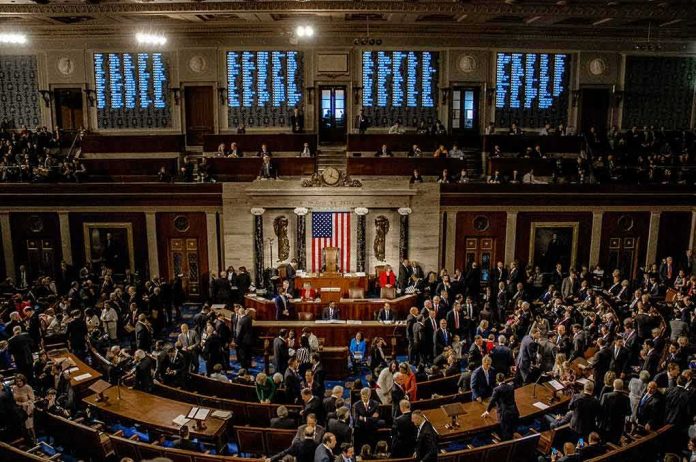
House Republican leaders are chosen by the Republican Conference, not by the full House. The rules lay out who the elected leaders are and how they are picked. The actual vote is by secret ballot inside the conference, which shields members from outside heat and public scorekeeping. That secrecy blunts pressure from activists and donors and even from the president. Members can praise one candidate in public and vote for another in private, which often decides close races.
Secret ballots change the math. Public support can flood a race with energy, but many members vote based on committee needs, district risk, and trust on whip counts. Outside figures can help frame the stakes or promise attention to key issues. Still, no one outside the room casts a ballot. That is why even a strong nod from Trump would be a tiebreaker, not a takeover. The structure protects members’ independence while still rewarding momentum and unity.
Why A “Might” Endorsement Still Matters
Political influence works in layers. A presidential endorsement can signal donors, media, and grassroots where to lean. It can also make fence-sitters rethink costs of being on the wrong side of the base. Trump’s comment preserves that leverage if negotiations stall. It also gives members room to negotiate without fear of immediate outside heat. That blend of restraint and readiness fits a responsible, conservative instinct: let the conference govern itself, but do not allow drift to weaken the team.
Reporters and aides have cast this race as a test of Trump’s standing with House Republicans after a tough election map. Both Jordan and Scalise are known quantities to the president and his supporters, reducing ideological risk for Trump if he ever steps in. The party can frame either pick as continuity on policy with a different management style. That is why the first move belongs to members. The president’s conditional stance leaves a final backstop without forcing one.
The Stakes For House Republicans Over The Next Two Years
The minority leader sets tone and tactics. The role means defining contrast with the majority, protecting vulnerable seats, and pointing the party back to a majority. The choice between Jordan and Scalise is less about platform and more about approach. Jordan offers an investigative edge and combative message. Scalise offers a vote-counter’s discipline and long ties across factions. Either leader must unify conservatives, moderates, and freshmen fast to stop losses from hardening.
🚨JUST IN: President Trump announces he will NOT be getting involved in the race for House Minority Leader.
"We'll stay out of it. The speaker was fantastic. The people under him were fantastic. All good people, I guess."
47 mentioned Jim Jordan, who has announced his… pic.twitter.com/I10aEi1rvn
— Nick Sortor (@nicksortor) November 4, 2026
Conservatives often judge leaders by two tests: fight and results. The next minority leader must show both. Trump’s “might” keeps pressure on unity without handcuffing the winner. Common sense says avoid a public family brawl when the job is to draw a sharp line with Democrats. If the conference coalesces, Trump’s restraint looks like respect for the institution. If it stalemates, a timely endorsement could spare weeks of drift and start the rebuild sooner.
Sources:
thegatewaypundit.com, politico.com