

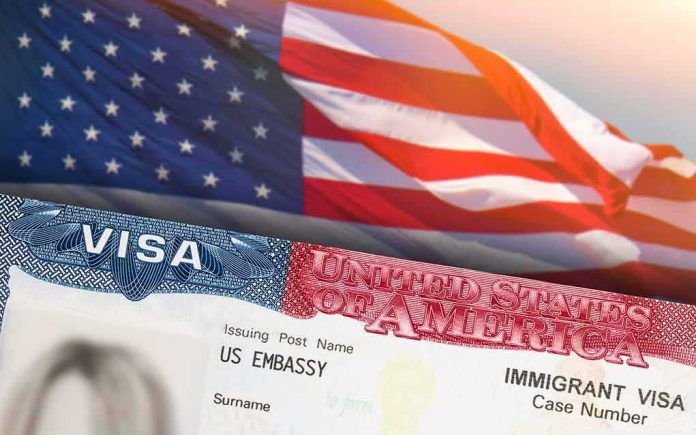
The State Department says more than 300,000 visas have been revoked under President Trump, and the scale signals an enforcement machine built for speed and volume, not headlines.
At a Glance
- State Department reported more than 175,000 revocations by August 10, 2026, citing crimes, fraud, and threats.
- An October account raised the figure above 300,000, with timing and counting methods not yet reconciled.
- A Birth Tourism Prevention Task Force reported hundreds of related revocations.
- Critics question revocations tied to arrests or minor encounters without convictions.
What the State Department says it did and why it matters
The State Department reported more than 175,000 visa revocations by August 10, 2026. Officials cited visa-term violations, crimes, fraud, calls for violence against United States citizens, abuse of the immigration system, and national-security risks. The Department said most cases followed law-enforcement encounters and listed assault, driving under the influence, theft, and drug crimes among the leading causes. The release also noted more serious offenses, including sexual assault, child abuse, and embezzlement. These are clear, concrete categories on the public record.
By October, a State Department account described more than 300,000 revocations during Trump’s second term, a massive jump from the August figure. The public material does not explain whether the larger number reflects later months, different visa classes, or a broader counting method. The two tallies sit side by side without a published methodology to bridge them. The scale is the headline, but the missing reconciliation is the obvious next question for oversight and clarity.
How the program worked in practice
Officials framed the effort as routine but rigorous screening backed by existing law. Federal law gives the Secretary of State and consular officers authority to revoke visas at any time. Courts have long granted broad deference to these consular decisions. That baseline explains the government’s speed and reach. It does not, by itself, confirm that every revocation rested on a conviction or a completed court case. The State Department’s August release did not publish a conviction-versus-arrest breakdown.
The Department also formed a Birth Tourism Prevention Task Force. The task force said it reviews visa-holder activity worldwide, targets organized networks, and revokes visas when it finds abuse. Officials reported more than 600 visa revocations tied to this focus as of mid-August. Later television reporting cited a figure closer to 900, which suggests more ongoing cases or a different cut of the data. Both numbers point to a real line of effort, with details yet to be fully documented.
The tension: speed of action versus proof standards
Immigration lawyers and civil-rights advocates argue that many revocations track arrests, stops, or other encounters that never become convictions. They warn that such actions can still enter federal systems as derogatory information and trigger a revocation, even when charges are dropped. They also question uses tied to short-term visitors who later seek asylum, saying that approach risks chilling lawful humanitarian claims. These concerns ask for clearer thresholds, not a halt to law enforcement.
Conservative common sense supports removing visitors who break the law, lie to consular officers, or exploit visas. That is not controversial. The open question is precision. If the government counts arrests and convictions the same way, the numbers tell less than they should. The State Department can strengthen confidence by publishing anonymized case data. Show the legal ground, the conduct, the date, the visa class, and whether a conviction backed the action. That is fair to the public and to due process.
What the numbers can and cannot tell you yet
The August release gives solid categories and confirms that most cases began with law-enforcement encounters. That bolsters the claim that the campaign focused on public-safety risks. It also leaves gaps. The Department did not provide a table of outcomes, sample notices, or adjudication codes. Without those, the difference between a drunk-driving conviction and a dismissed reckless-driving charge remains hidden in the same bucket. The October jump past 300,000 remains unexplained in the public record.
JUST IN: Trump administration has revoked 300,000+ visas since taking office, the fastest pace of visa revocations in U.S. history, per the State Department.
— Global Peace Advocates🕊️ (@GlobalPeaceA0) October 20, 2026
Lawmakers and watchdogs can close the loop with simple asks. Request monthly revocation tallies with clear definitions. Separate arrests, charges, and convictions. List visa classes and the share of cases for each cause. Release redacted summaries for national-security and violence-related revocations. These steps would protect methods while proving standards. They would also undercut claims that the effort relies on soft evidence or politics rather than facts on the ground.
Sources:
redstate.com, bbc.com, time.com, thedailystar.net