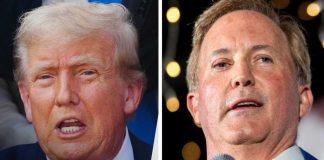

Hours after new U.S. strikes, President Trump declared Iran “is dead,” and the riddle is whether power or pressure wrote that line.
Story Snapshot
- Trump said top-level talks in Tehran led him to cancel planned U.S. strikes that night.
- He described a massive, ongoing campaign with thousands of targets hit in Iran.
- He demanded the Strait of Hormuz be opened “immediately” as part of pressure on Iran.
- Some outlets argue Iran’s regime remains battered but intact, resisting collapse.
Trump’s claim of leverage: strikes paused because Tehran blinked
President Trump told the country that negotiations had reached Iran’s top leadership and had been “approved,” so he cancelled scheduled strikes that evening. He cast the move as a show of leverage, not retreat. He tied the pause to opening the Strait of Hormuz, pushing Iran to move tankers and ease risk to global energy. That framing sets a simple test: if pressure works, ships sail and rockets stop. If not, the hammer falls again.
🇺🇸🇮🇷 TRUMP VOWS TO HIT IRAN “HARD”
“We’re going to hit them hard. There will be a response,” President Trump told Fox News, following Iran’s overnight missile attack on U.S. forces. pic.twitter.com/ftQJlfFNK0
— Belaaz News (@TheBelaaz) August 31, 2026
Trump has insisted the United States is running a massive and ongoing operation, not a one-night punch. He also said American and allied forces had hit more than 7,000 targets since the conflict began, signaling depth, not symbolism. He warned Iran’s leaders that any renewed escalation could erase the regime itself, a threat meant to force choices in Tehran, not soothe them. This is classic coercive diplomacy: hit hard, pause, demand, and keep the option to hit harder.
Military pressure at sea and on shore
Supportive accounts on cable news painted a picture of serious maritime control. A retired officer said the United States escorted streams of ships through the Strait, degraded Iran’s naval assets, and damaged ports and infrastructure. Those claims, while not official assessments, align with Trump’s message that the sea lanes would not be Iran’s hostage. Common sense says freedom of navigation is non‑negotiable. If tankers can move with U.S. cover, Iran loses a prime tool of blackmail.
The administration’s goal appears twofold: break Iran’s attack tempo and force practical concessions. The focus on Hormuz tracks with pocketbook reality for Americans. Oil shocks punish families and small businesses first. Securing the corridor and silencing missile and drone attacks serves both security and price stability. This is where conservative priorities meet strategy: peace through strength, deterrence that is visible, and deals that are verified by behavior, not words.
Counter-claims: battered but standing
Several outlets argue Iran has not collapsed. Reuters wrote the regime emerged battered but standing, keeping leverage at the table. NPR said six months on, leaders held power and took a harder line rather than folding. The BBC said command structures still functioned after the first month, with replacements coming from the same ranks, signaling resilience over regime change. Skeptics see Trump’s pauses as proof that pressure has not yet forced a finish.
Those points measure defeat as regime collapse. That sets the bar very high and very slow. Air campaigns rarely topple hardened systems in days. The better question is capacity and behavior. If Iran stops strikes, reopens lanes, and accepts limits, pressure worked. If not, the United States retains the initiative. On the evidence the public can see, both things can be true: Iran hurts, but it can still act. That is why verification and sustained leverage matter most.
How to judge the “is dead” claim in the weeks ahead
Three yardsticks will tell the story. First, maritime flow through Hormuz must rise without constant crisis escorts; movement is the market’s scorecard. Second, proxy and missile attacks must fall off and stay down; enduring calm shows command disruption, not a short pause. Third, verifiable damage to key military nodes should show in independent assessments; Trump’s strike totals are bold, but categorized effects will seal the case. Until then, rhetoric should trail results.
#BREAKING Trump to Fox News: We are going to hit Iran hard. There will be a response. #Trump #KingStellaxWilliamEstLIVE
— Indian Development & Infra (@Defence1100) August 31, 2026
Trump’s posture fits how strong bargaining works: overwhelm, pause, demand, repeat as needed. Critics say Iran still stands; supporters say Iran stands shakier and under guard. The sensible path is simple and firm. Keep pressure high. Reward only verified steps. Hold the line at sea and against terror networks. Americans do not need grand endings. They need safe lanes, quiet skies, and lower risk. If those arrive and hold, the label “is dead” will not need a speech to stick.
Sources:
cnn.com, cnbc.com, bbc.com, reuters.com, en.wikipedia.org, jns.org, apnews.com, foxnews.com