Police say a Sudanese asylum seeker tried to kill a man in Belfast, and the streets exploded.
Story Snapshot
- Police charged a 30-year-old Sudanese man with attempted murder after a brutal stabbing in north Belfast.
- Officers said there was no sign of terrorism, but the attack still sparked nights of disorder across the city.
- Media reports, including the British Broadcasting Corporation (BBC), named the suspect’s background after police confirmed it.
- The knife, believed to be from a kitchen, was recovered at the scene, according to police.
A knife attack, a city on edge, and a fast-moving backlash
Police arrested a 30-year-old man after a vicious stabbing in north Belfast. Officers said the suspect is Sudanese and an asylum seeker, and they charged him with attempted murder after the victim suffered serious injuries to the face and eye area. The Police Service of Northern Ireland said they recovered what they believe was a kitchen knife at the scene. Investigators also said there was no sign the attack was terrorism, though they worked with counter-terror teams as a precaution.
Street anger surged within hours. Crowds formed. Fires burned. Police appealed for calm as “sporadic pockets of disorder” spread beyond the attack site and into wider Belfast. These scenes were not random. They followed a familiar chain: a shocking crime, rumors racing ahead of facts, and then protests that turned into property damage and arrests. The lesson is blunt. Disorder feeds on delay and distrust long before courts sort out what happened.
What police confirmed and what they ruled out
Officers briefed the press on key points to steady the city. They said the suspect was not known to police and did not appear on national security databases, which supported the non-terror finding at that early stage. Senior leaders called the assault “brutal” and “deeply concerning,” and they stressed that detectives were pushing hard to establish a motive. This is how you hold a line in chaos: confirm what you know, say what you do not know, and keep emotion out of the mic.
The charge sheet moved fast, which matters. Speed signals competence and reduces rumor. Coverage described the suspect’s court timeline and his age and origin once police confirmed those facts. That sequence matches standard practice. Identity details tend to firm up only after verification. When they change, like the shift from an initial Somali reference to confirmed Sudanese nationality, they change because the data changed, not because of spin.
Did the British Broadcasting Corporation downplay the story?
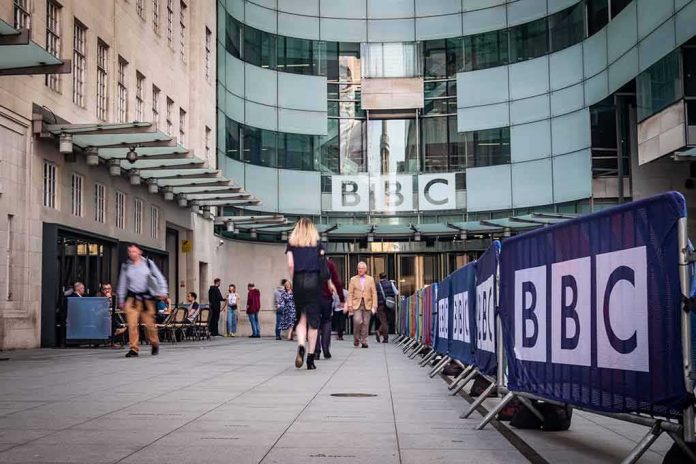
The claim traveled fast online: that the British Broadcasting Corporation hid the asylum link or softened the violence. The record shows otherwise. The BBC reported that police believed the attacker was Sudanese after a “brutal” knife attack, and later stated he was a 30-year-old Sudanese man charged with attempted murder. The BBC’s explainer then named the suspect and located his Belfast address, reflecting what police and courts had placed on the record. That is not silence. That is sequencing.
Critics ask why the BBC did not hammer the immigration angle sooner or harder. The outlet’s own editorial rules caution against wording that may inflame disorder, and they require clear justification to highlight race or nationality, especially mid-investigation. Those rules do not excuse hiding facts; they shape timing and tone. In this case, the broadcaster did report the asylum background once confirmed, while also covering the unrest that followed. That aligns with stated standards and basic newsroom sense.
Public safety, media trust, and the cost of hesitation
Public order broke down because violence met vacuum. People filled that vacuum with fear and anger. Authorities and media cannot cure that after the fact. They must beat the rumor clock. Police moved quickly on charges and key facts. Broadcasters echoed those facts as they solidified. That tempo likely prevented worse harm. Calls to splash early, unconfirmed identity details may feel tough, but they raise the odds of error and fresh unrest. Conservative common sense values order, truth, and accountability. Those depend on accuracy first, speed second.
Here is the hard trade. Overemphasize identity before confirmation and you risk lighting the fuse. Underemphasize it after confirmation and you feed suspicion that elites are hiding the ball. The better path is simple and strict: verify fast, say it straight, repeat only what is on the record, and keep the public safety lens front and center. Belfast paid a price for one man’s alleged violence. It did not need to pay extra for a communications failure that never quite happened.
Sources:
abc.net.au, cbc.ca, bbc.co.uk, bbc.com, independent.co.uk