

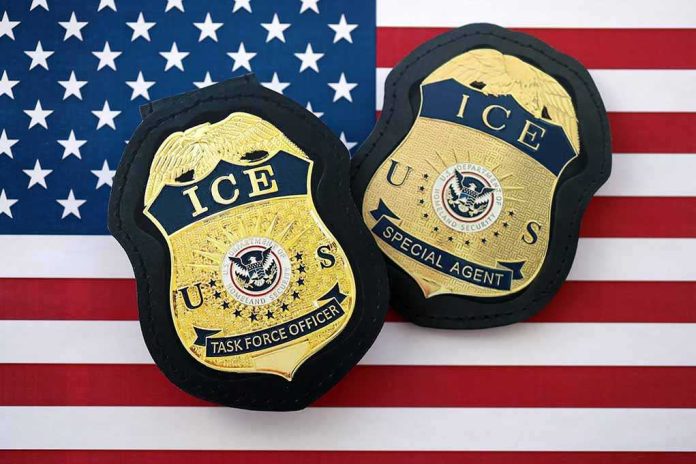
A hiring blitz meant to strengthen law and order instead left broken lives, broken trust, and one dead Marine reservist.
Story Highlights
- ICE rushed thousands of hires, then dismissed many after late vetting checks raised flags.
- A whistleblower said officials made final offers before basic screening like fingerprints and credit checks.
- ICE says all recruits face ongoing vetting and many failed for fitness or academics, not hidden crimes.
- A Marine reservist recruit died by suicide after termination, raising hard questions about duty of care.
What sparked the alarm inside the agency
Reporters obtained a whistleblower complaint from a veteran screening supervisor who said Immigration and Customs Enforcement made final job offers before even running fingerprints, identity checks, or credit checks. The memo called it an “unprecedented lowering of standards” and warned of legal and security risks. The account detailed offers going out first, with vetting trailing behind the start of training or work. That is not a clerical hiccup; that is a process failure the public can understand.
Multiple outlets then found recruits arriving at training without full checks complete. Some lacked fingerprint submissions. Others later failed drug tests or had disqualifying issues that should have been sorted before a badge and a gun came into view. Former officials told one paper the surge put officers on the street not fully vetted. When you rush the gate in any federal law enforcement shop, the cracks are predictable and costly.
How the surge created a human toll
Beyond process charts and memos sits the toughest line of this story. A Marine reservist who earned a tentative spot with the agency was later dismissed after issues surfaced. He died by suicide soon after. Families do not care about bureaucratic language when a loved one is gone. They want to know who decided to clear a recruit in, put a career in motion, and then yank the floorboards months later. That whiplash can crush a person’s finances, purpose, and health.
Conservative common sense says two things at once. First, hire strong, proven people to enforce the law. Second, guard the badge by finishing basic screening before day one. Those goals do not clash; they depend on each other. When leaders trade thorough vetting for speed, they do not serve public safety or recruits. They invite future firings, lawsuits, and headlines that sap trust in the mission and the many good officers who do it right.
What ICE says about its standards now
The agency’s line is clear and should be heard. Officials say all hires go through extensive checks with continuous vetting. They add that recruits may get a tentative selection letter and start training in temporary status while a full background investigation continues. They also say most dismissals stem from fitness or academic failures, not hidden crimes missed by screeners. Those claims matter and shape how readers weigh the whistleblower’s account.
One point still sticks. Even if policy allows tentative status, law enforcement culture teaches a simple rule: front-load risk controls. Fingerprints and identity checks are day-zero steps. Running them late increases the odds of late hits and late-term terminations. That is how people get pulled from training, families get blindsided, and taxpayers fund do-overs. The agency has said training is being extended, which signals an effort to raise the floor going forward.
What accountability should look like now
Congress and the Department of Homeland Security’s watchdog should map the surge pipeline step by step, timestamp the checkpoints, and publish a corrective timeline. That means setting hard gates for fingerprints, identity, and credit, along with drug tests, before a recruit starts any armed training or field exposure. It also means a duty-of-care plan when late information surfaces, with immediate counseling access and guided transitions for those dismissed.
ICE does not want you to know this. They are now quietly firing agents they brought aboard during a massive hiring surge without properly vetting and doing background checks on them. 🤬 https://t.co/5xW9I8D7UT pic.twitter.com/9Cr7Tve9da
— Annie (@AnnieForTruth) September 16, 2026
Leaders should also honor the mission by defending the many officers who passed full checks and meet the standard each day. Clear, public metrics can do that. Post quarterly data on screening timelines, pass rates, dismissals by cause, and the share of recruits cleared before day one. Show the curve bending in the right direction. That restores trust the same way a good cop calms a tense scene: by being seen, being steady, and doing the basics without fail.
Sources:
military.com, washingtonpost.com, inquirer.com, abcnews.com