
Five girls buried in class under a collapsing hill is not just a tragedy; it is a warning written in mud about what happens when politics, poverty, and engineering failure all share the same slope.
Story Snapshot
- Heavy monsoon rain triggered a landslide that smashed into a girls’ Islamic school inside Bangladesh’s Rohingya Camp 5.
- Five people died, including four female students and their teacher, with several more girls badly hurt.
- Conflicting early reports claimed 7 or even 8 child deaths, showing chaos and weak data in disaster response.
- Experts call these landslides “socio-natural hazards,” driven by deforestation, risky camp design, and poor enforcement, not just bad weather.
A classroom turned into a burial ground in seconds
The landslide hit on a Wednesday afternoon as girls studied inside Khatijatul Mahila Hefazkhana Madrasa in Block A-3 of Rohingya Camp 5, in Cox’s Bazar’s Ukhiya area. A section of the hill above the school collapsed onto a retaining wall, which then smashed into the bamboo and tarpaulin classroom, giving the students almost no time to escape. Heavy monsoon rain had soaked the slope for days, loading the loose soil until it let go all at once.
Refugee Relief and Repatriation Commissioner Mohammad Mizanur Rahman first told reporters that eight people had died, seven students and a teacher. Later that evening he corrected the figure to five deaths, explaining that early rescue counts had double-counted victims in the chaos. The final confirmed dead were four girls around 12 to 13 years old and their female teacher, all from nearby camp blocks who had come to study.
How many children died and why the numbers keep changing
The madrasa disaster did not unfold in a neat spreadsheet. Relief-focused outlets reported at least four girls killed and several injured when a hillside fell onto the school. An international broadcaster said five children died when the landslide tore through the Islamic school. A video report framed the event as seven children and one teacher killed. Another television segment claimed eight children dead and five injured.
These mismatched counts share one thing: none cite a detailed government death registry for that single school. Early information came from field officers, camp officials, and rescuers using rough tallies while mud still moved and families searched for missing children. When the local commissioner corrected his own numbers down to five, he exposed a larger problem: disaster data in poor, crowded settings often starts wrong and shifts over hours or days. That does not mean the deaths are in doubt; it means the state’s paperwork is slower and weaker than the landslide itself.
This was not just bad luck; it was built into the hill
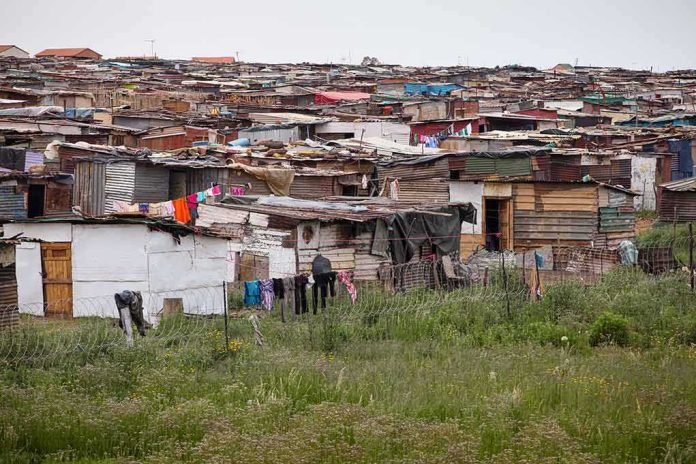
The madrasa tragedy fits a disturbing pattern in Cox’s Bazar. From 2021 to 2026, repeated landslides in Rohingya camps killed at least dozens of people, including many children, during the monsoon season. Camp planners placed shelters, schools, and walkways on steep hills made of loose, sandy soil, often stripped of trees. One study found that about two percent of the camp area is at very high landslide risk and more than twelve percent at high risk.
Engineers who studied past slides in the camps describe tall exposed slopes, sometimes fifteen meters high, with steep angles between forty and seventy degrees and cracks running across them. These man-made cuts are not simple “acts of God.” Researchers call Bangladeshi landslides “socio-natural hazards” because human choices—deforestation, carving hills for shelters, weak enforcement of slope rules—mix with heavy rainfall to create deadly conditions. When you put a girls’ school under that kind of slope, you are not just hoping the rain holds; you are gambling with children’s lives.
Politics, silence, and the price of looking away
While major outlets framed the event as a tragic natural disaster in the “world’s largest refugee settlement,” social media clips added a sharper edge, blaming “corruption and poverty” for why children study under unstable hills. That anger echoes a basic conservative instinct: if officials choose risky camp designs, fail to enforce safety rules, and then hide behind the word “weather,” they are dodging responsibility instead of fixing the problem.
Bangladeshi authorities publicly confirmed overall casualty counts from landslides across the camps but did not release a detailed disaster report focused on this madrasa. No official list of the injured girls, no open engineering analysis of why that specific retaining wall failed, no clear plan to rebuild schools away from dangerous slopes has been shared. That kind of institutional silence trains the public to accept landslides as routine. It also invites future cover for any misuse of aid money meant to improve camp safety.
Where common sense says the story must go next
Serious accountability would start with basic, grown-up steps. First, an open geotechnical investigation of the school site should nail down how much rain fell, how saturated the soil was, and why the wall failed. Second, hospital and district death records from that week should be matched to named victims so the final child and teacher count is fixed and public. Third, camp maps should mark every school and clinic under or atop risky slopes, with strict bans on new buildings in high danger zones.
None of these steps require global treaties or fancy speeches. They require something much simpler: the belief that poor refugee girls deserve the same safe classroom as anyone else’s daughter. The Cox’s Bazar landslide turned one fragile madrasa into a tomb. Unless the people in charge put engineering sense and moral courage above convenience, that hill will not be the last to write its warning in mud and broken bamboo.
Sources:
youtube.com, aljazeera.com, eos.org, reliefweb.int, reuters.com, trtworld.com, facebook.com, instagram.com, mdpi.com, jointdatacenter.org