
The party that popularized super PACs just made condemning them a ticket to the debate stage.
Story Snapshot
- The Democratic National Committee set 12 primary debates for 2028 starting in June.
- Candidates must sign a pledge denouncing dark-money spending that helps them or hits rivals.
- Failing to denounce covered spending can cost a candidate their next debate slot.
- The rule targets super PACs and 501(c)(4) nonprofits that can hide true donors.
The New Gatekeeper: Debate Access Tied to a Pledge
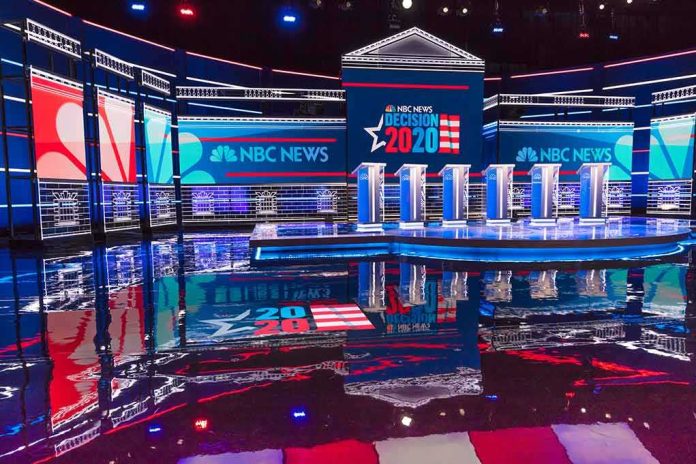
The Democratic National Committee plans a dozen primary debates and links stage access to a new Fair Campaign Practices Pledge. The pledge requires candidates to denounce outside spending that boosts them or attacks other Democrats. The committee says that if a candidate does not denounce, they can lose eligibility for the next debate. The schedule begins in June 2028 and expects a large field. The design aims to curb the advantage of anonymous money without changing federal law.
The pledge reaches two big wallets: super PACs and certain nonprofits. Super PACs can raise and spend unlimited sums from individuals and corporations. Nonprofits organized under section 501(c)(4) often do not disclose their donors. When a nonprofit funds a super PAC, the super PAC lists the nonprofit, not the original donors. The committee’s plan tries to expose that pipeline by forcing candidates to speak out when these groups weigh in on the primary.
What Counts as a Violation—and Who Decides
The committee says candidates can report outside ads that promote them or attack rivals across television, radio, digital, billboards, and mail. If the committee agrees the spending falls under the pledge, it demands a denunciation. The consequence is direct: no denunciation, no next debate. The reporting so far does not show a neutral adjudicator, clear appeal steps, or published standards. That gap leaves process questions that matter during a fast debate cycle.
The rule’s bite sits in party control, not legal force. The committee cannot ban super PACs or force nonprofits to reveal donors. It can only shape candidate behavior and impose a political cost for silence. That is why some coverage calls the pledge symbolic. It aims to make accepting help from anonymous money painful in a visible way, even though the spending itself can continue under federal law.
Why the DNC Did This Now
Modern campaigns run alongside outside groups that claim legal independence but often share allies, vendors, and strategy lanes. Super PACs must disclose their own donors, but donor networks can route money through nonprofits that shield names. The committee frames the pledge as a way to pierce the mystique and cut the ritual “wink and nod” between campaigns and outside spenders. The goal is to reset party norms before a marathon primary turns into a proxy fight funded by hidden money.
Democrats Roll Out 2028 Primary Debate Rules With 12-Debate Slate and Dark-Money Pledge
• The DNC set a 12-debate schedule for the 2028 Democratic primary, starting with five debates in 2027 beginning in June.
• A new Fair Campaign Practices Pledge requires 2028 hopefuls to…— Newstro (@Newstro) November 23, 2026
A crowded field raises the odds of hard-hitting ads and urgent complaints. Twelve stages mean many cutoff points where a campaign could lose oxygen if it misses a denunciation deadline. The rule also tries to close a classic loophole by covering both supportive and attack spending. Candidates often slam attacks on rivals but stay quiet when an outside group airs ads that help them. The pledge removes that shield by treating both sides of the coin the same way.
The Pushback: Power, Fairness, and Real-World Edges
Critics argue the pledge evens the playing field on paper but not in real life. Rob Flaherty, a Democratic strategist, warned that candidates could get swamped by negative outside spending while having to denounce help on their side. He also said the rule could favor self-funders and force the eventual nominee to reverse a primary-era disavowal in the general election. Those are practical hits that could reshape early-state momentum and donor behavior.
Analysts further note that the pledge stops at the water’s edge of the general election. Outside groups can prepare for that phase without penalty from the committee. That gap could distort incentives in the spring while leaving fall money machines intact. Skeptics also question whether enforcement will be even across big names and lower-tier hopefuls. Without a clear, public decision record, every call can look political in a crunch.
How to Turn a Symbol Into Substance
Clear definitions, clocks, and consequences would steady the rule. Publish the full pledge text, evidentiary standards, and appeal steps. Create a public, auditable log of complaints, findings, and sanctions with redactions for legal limits. Appoint an independent panel of election lawyers and public auditors to review calls before debate deadlines. Expand monitoring to digital ads and influencer deals, where money moves fast and quietly. These steps would match the rhetoric with verifiable practice.
What to Watch as the First Debate Nears
Track whether denunciations change actual spending patterns, not just statements. Watch for super PACs funded by nonprofits, last-minute digital blitzes, and complaints filed days before a debate. Measure whether lesser-known candidates bear more penalties than top-tier ones. If the pledge narrows dark-money influence and still keeps the stage competitive, it will mark a meaningful party reform. If it becomes a punishment tool without sunlight, expect louder calls for neutral oversight.
Sources:
redstate.com, actionnews5.com, charlotteobserver.com, newsnationnow.com, abcnews.com, ibtimes.com, axios.com, nextnewsnetwork.com, huffpost.com