
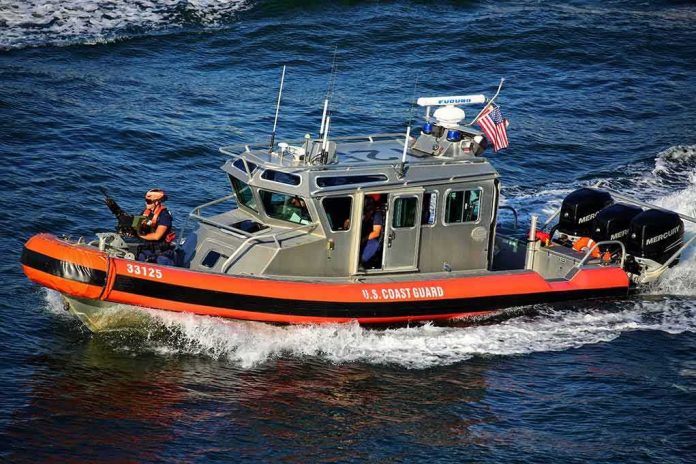
On a late-September patrol near Garceno, Texas, U.S. Coast Guard crews took gunfire from across the Rio Grande and shot back.
Story Snapshot
- Coast Guard personnel exchanged fire with shooters on the Mexican side near Garceno on Sept. 26.
- No injuries or damage were reported, and the incident remains under investigation.
- The engagement occurred during joint interdiction operations with federal partners.
- The event fed into rapid border reinforcement coverage days later.
Cross-Border Gunfire Near Garceno: What Happened
Coast Guard Forces Rio Grande reported an exchange of gunfire on September 26, 2026, near Garceno in Starr County, Texas. Officials said initial shots came from the Mexican side of the river, and Coast Guard personnel returned fire while conducting joint interdiction operations with other federal agencies. The service reported no injuries to Coast Guard or partner personnel and no damage to boats or equipment. The Coast Guard said the circumstances remain under investigation, a standard step after any use of force event.
Multiple outlets repeated the same core facts and timeline, citing Coast Guard statements. Reports placed the exchange at the Rio Grande and tied it to ongoing efforts to intercept illegal crossings and combat smuggling in the area. Coverage emphasized that the shots originated from the Mexican side before Coast Guard crews responded, aligning across independent reports on both the sequence and location. These consistencies matter because they anchor the story to time, place, and a clear trigger for the response.
Why The Location And Timing Matter
Garceno sits on a busy corridor where smuggling groups test gaps and watch patrol habits. Joint interdiction patrols add extra eyes and faster backup, but they also draw attention from criminals who want control of river lanes. When armed actors fire from the south bank, they aim to intimidate and delay law enforcement work. A swift return of fire communicates a different message: the United States will defend its people and mission, even in tight terrain where seconds count.
The absence of injuries and damage is not trivial. River patrols are exposed, with engines, hulls, and crews close to the waterline. A few inches can separate a near-miss from a casualty. That no one was hit suggests disciplined fire control, quick cover, and training that held under stress. That outcome also shows why joint operations matter. Shared radios, rehearsed roles, and clear authority help crews act fast without confusion.
What Followed: Reinforcement And Readiness Signals
News of the exchange fed into reports of force movements to the Rio Grande Valley. Coverage described hundreds of U.S. troops repositioning to Texas in the days after the incident, framed as a response to rising illegal activity and the need for stronger support to civil authorities. The timing signaled that Washington and Austin viewed the engagement as more than a one-off scare. They treated it as a wake-up call that demanded visible deterrence and extra logistics on short notice.
Public officials also linked the gunfire to a broader push to tighten the border in high-traffic zones. Reinforcement is not just about rifles and helmets. It brings aviation, medical, maintenance, and planning muscle. That frees front-line agents and Coast Guard crews to focus on interdiction while backup stands ready if threats escalate. Conservative common sense backs that posture: secure the line, back your people, and make sure the next shooter knows the risk outweighs the reward.
How To Read The Facts Without The Noise
The spine of this story is short and sturdy. Shots came from the Mexican side. Coast Guard personnel returned fire. No injuries or damage were reported. The service opened an investigation. Those core facts appear across straight-news outlets and match word-for-word the service’s account as quoted in press coverage. Broader claims about who pulled the trigger remain outside the confirmed record here and do not change the operational truth that U.S. personnel came under fire during a lawful patrol.
Coast Guard exchanged gunfire with shooters on the Mexican side near Garceno, Texas.
No U.S. injuries. Hundreds of American troops now surging into the Rio Grande Valley — Mexico deploying 500 of its own.
The border isn’t a slogan. It’s a front line. pic.twitter.com/t099ksGQlG
— Nikolay Remizov (@Nikolrem) October 5, 2026
The implications are clear. Criminals test the river every day. When they use guns, they raise the stakes for everyone. The right answer blends resolve with restraint. Hold your ground, protect your team, and gather evidence for follow-on action. That is how you keep law on your side and order on the river. The Garceno engagement shows U.S. crews did exactly that under pressure—and that leaders moved quickly to stiffen the line for the next test.
Sources:
thegatewaypundit.com, foxnews.com, ntd.com, fox7austin.com