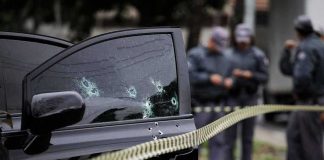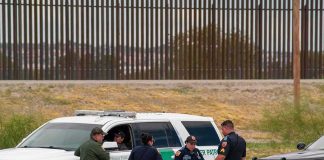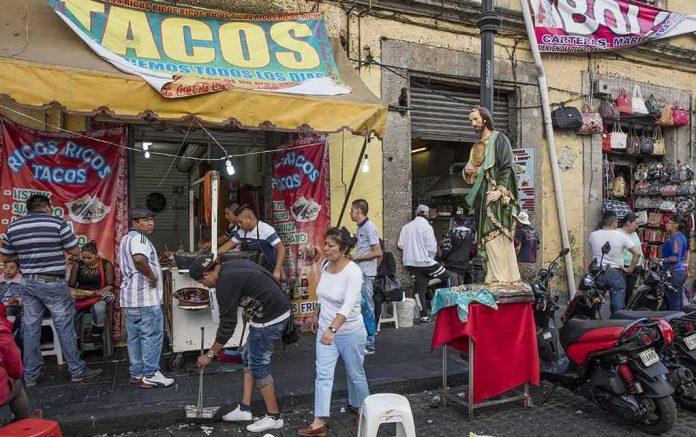
Security video showed food truck workers sprinting down West Tennessee Street as officers chased and three people were detained, and by week’s end the stand was shut for good.
Story Snapshot
- A traffic stop outside a Tallahassee taqueria became an immigration raid, owners say.
- Three workers were detained; one is held at a Baker County state facility, Reuters reported.
- The business closed its Tennessee Street spot after staff quit and fear spread, owners said.
- Footage of workers fleeing shaped the public story while agencies stayed quiet on details.
What Happened On West Tennessee Street
Owners say a routine traffic stop outside Chile and Chili’s Taqueria turned into an immigration raid on September 25. Surveillance video from the stand captured workers bolting as officers gave chase along West Tennessee Street. Local coverage cited an original fundraiser post that said at least three workers were detained during the operation. Reuters reported two men and one woman were taken into custody, and one is now in the Baker County facility often called “Deportation Depot”.
https://www.youtube.com/watch?v=jKL9o_fuQDQ
The stand shut its Tennessee Street location days later. The owners posted that customers could still visit a mall spot, but the street site was done. They blamed fear and safety concerns after the detentions. Staff quit within a day, they said. That shutdown followed a now-familiar pattern: viral clip first, missing paperwork later, and a community forced to react without clear agency answers on who led the action or why.
Who Ran The Operation And Why
Reporters reached out to federal and Florida authorities and did not get firm attribution. Outlets asked Immigration and Customs Enforcement, Florida Highway Patrol, and the Florida Department of Law Enforcement for details. Officials did not confirm who led the operation or the legal basis for the detentions, according to those reports. That silence leaves open questions that records could answer, like warrant type, immigration status, and whether the stop began off-site.
An owner told a local station that officers came looking for one employee, which sparked panic and a wider chase. The same owner said all three detained individuals were in the process of finishing immigration paperwork. That claim cannot be verified with the public record now, but it explains why the owners keep pressing for due process while asking customers to respect the families involved.
The Video Era Of Immigration Enforcement
Short, sharp clips decide the first draft of events. The twenty-second chase footage set the tone here. People saw workers run and officers pursue. The camera could not show warrants, charging documents, or status records. National coverage in recent years shows this pattern again and again: video goes viral, agencies release little, and narratives harden before any files surface. That speed rewards emotion and punishes trust, especially when names and authorities are unclear.
ICE RAID IN TALLAHASSEE: TAQUERIA SHUTS DOWN AFTER WORKERS ARE DETAINED
A popular taqueria in Tallahassee, Florida, has reportedly closed its Tennessee Street location following an immigration enforcement operation involving U.S. Immigration and Customs Enforcement (ICE).… pic.twitter.com/qlnj5a207R
— CSB News USA (@csbnewsus) September 29, 2026
Conservative common sense says the law must be enforced, and officers need tools and backing to do that job. It also says agencies should own their actions in public. If federal or state officers detained three people on legal grounds, they should state the authority plainly and early. Clear attribution, a basic incident summary, and timely court paperwork would steady public confidence while protecting due process. Silence invites spin from every side and hurts faith in fair enforcement.
Aftermath On The Corner And Across Town
The corner lost a busy food stop. Customers now ask what comes next as protests form. Local immigrant-rights groups planned demonstrations and pressed officials to explain ties to federal enforcement. The owners said business fell and fear grew. One manager told a Spanish-language outlet he had seen three operations in a little over a month and decided the open-air truck left workers too exposed to keep going. Those claims show how fast a workplace can unravel under the glare of a raid frame.
Three clear steps would help the city move forward. First, publish the basic who-what-why from the lead agency, with names redacted as needed. Second, release any dash or body camera or radio logs from involved state units to anchor the timeline. Third, center court and immigration files to settle status questions instead of social media clips. Facts beat footage. When government speaks with receipts, people listen longer, and trust can start to mend.
Sources:
facebook.com, tallahassee.com, wtxl.com, wctv.tv, rmb.reuters.com, univision.com