
One juror’s refusal to join an insanity verdict froze the Lindsay Clancy trial and set off a firestorm.
At a Glance
- Three jurors say the panel stood 11-1 for not guilty by reason of insanity.
- Jurors claim the holdout admitted reasonable doubt but would not join the verdict.
- The judge declared a mistrial after repeated deadlocks.
- The lone juror now has a lawyer and security support amid public blowback.
Jury Split 11-1, Then Everything Stopped
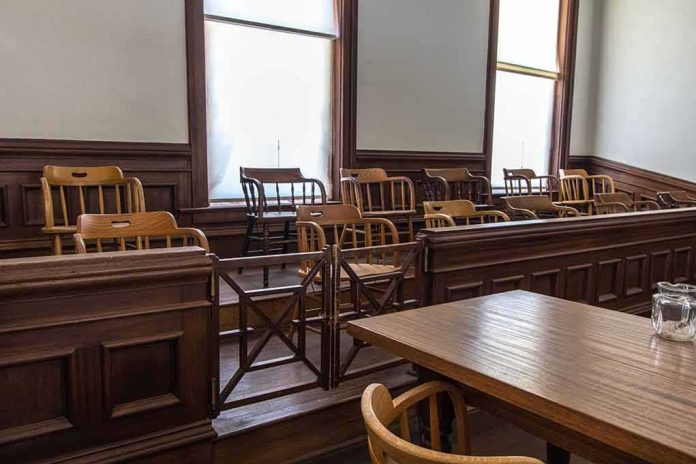
Three jurors went public and said the jury reached 11-1 for finding Lindsay Clancy not guilty by reason of insanity. They blamed one holdout for blocking a final verdict after long talks in the jury room. One juror described defeat and anger when it became clear nothing would change. The accounts arrived days after the judge halted the trial. The panel had told the court more than once that they were stuck and could not agree.
Juror Nick Dargie told a morning news program that the holdout never tied his stance to evidence or testimony. He said no single exhibit or witness anchored the lone vote, which left the rest without a path to persuade him. The foreperson and two others echoed that claim in separate outlets. Their message was simple and sharp: the facts on mental health and responsibility led almost everyone one way, and one person would not follow.
Reasonable Doubt, But No Final Vote
Two jurors said the holdout told them he had reasonable doubt. They said he still refused to sign onto a verdict of not guilty by reason of insanity. The foreperson recalled starting to fill out verdict forms, only to watch the effort collapse when he would not join the consensus. Another juror said he struggled to get past the raw fact that children died, even as the legal standard focused on mental state and responsibility at the time.
One anonymous juror offered a different angle in a local television interview reported by a major broadcaster. That juror said the majority was also very firm in its view. The comment suggested the room had hardened views on both sides, not just one person walling off debate. This kind of deadlock fits a long pattern in criminal cases, where one juror can block a unanimous verdict and force a mistrial if minds do not change.
Mistrial Declared After Repeated Deadlocks
Judge William Sullivan declared a mistrial after the jury told the court several times that they were deadlocked and could not reach unanimity. Court coverage detailed how the judge patiently sent the panel back to keep talking before finally ending deliberations. The mistrial leaves prosecutors with a choice to retry the case or stand down. The ruling did not blame either side, which is normal in a hung jury.
Published reports say the holdout juror has not spoken publicly and that juror names remain sealed. A wire service noted that reporters could not reach the holdout for comment as public pressure rose. The lack of a direct account from him means the public record runs through the three jurors who spoke on camera and on background, and through the court’s brief orders.
Lawyer Retained, Security Arranged, Debate Erupts
Reports describe the holdout juror obtaining a lawyer and safe housing after his identity was leaked online and threats surfaced. Fundraising for his security drew heated reactions. Some voices framed him as a stubborn spoiler who wasted a long, painful trial. Others cast him as a citizen who followed his conscience under the rules that require unanimity for a verdict. The clash grew with each interview and post, as national outlets amplified both sides.
🇺🇸The fundraiser started for the one juror in the infamous Lindsay Clancy triple murder trial who did not vote for acquittal has raised its quarter-million-dollar goal in just four days. The target has now been moved up to $300,000. The juror could use some of the funds to start…
— Hungarian Conservative (@hu_conservative) September 18, 2026
American criminal law gives one juror the power to stop a verdict, whether for conviction or for an insanity finding. That design protects individual judgment inside the jury room. It also means pressure grows fast when the vote sits at 11-1 and does not move. The Clancy case now lives in that tension. The judge followed the law on a hung jury. The jurors who spoke followed their urge to explain. The holdout’s lawyered silence keeps the rest of the story offstage for now.
Sources:
townhall.com, wbur.org, today.com, foxnews.com, oxygen.com