

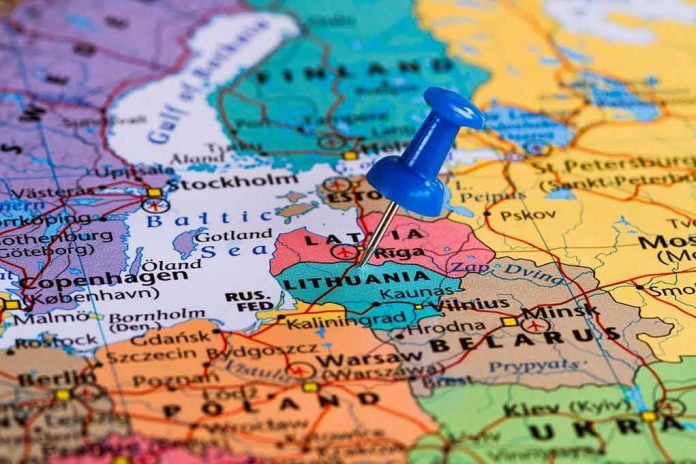
Moscow just drew a nuclear bullseye over Lithuania—and said exactly why it thinks that is fair game.
Story Snapshot
- Russia warned it would target Lithuania if it hosts allied nuclear weapons.
- Lithuania moved to lift a constitutional ban that blocks such deployments.
- Vilnius says the change enables fuller NATO nuclear deterrence, not instant basing.
- This is the latest loop in a Baltic cycle of threats and counter-deterrence.
What Russia Said And Why It Landed Like A Thunderclap
Kremlin spokesman Dmitry Peskov said Lithuanian territory would “come into the sights” of Russia’s nuclear forces if it hosted allied nuclear arms. He framed it as simple cause and effect: put nukes next door, expect Russia to aim back. That line traveled fast because it was not a vague hint. It was a direct statement aimed at a small NATO country that borders Russia’s Kaliningrad exclave. It fit a long pattern of Russian nuclear signaling when NATO posture shifts loom.
The warning arrived as Lithuania debated ending a constitutional ban on weapons of mass destruction and foreign bases. Officials say the change would remove a legal block, not authorize instant deployment. The goal is to enable full use of alliance deterrence options if Russia escalates. The Legal Affairs Committee backed the proposal 7–2, setting up a longer road toward a final decision in 2027. This is paperwork now, but it shapes real choices later.
What Lithuania Is Actually Doing, Not What Headlines Imply
President Gitanas Nausėda initiated the amendment to let Lithuania take part in NATO’s nuclear deterrent. He and lawmakers argue the old rule no longer matches today’s threats. The step clears legal ground for future allied decisions but does not place warheads on Lithuanian soil today. Defense leaders confirm talks with allies are active, but details stay classified by design. That track mirrors how NATO handles sensitive nuclear roles across Europe, with careful, staged decisions.
Parliamentary leaders across parties have shown broad support. Analysts in Lithuania say the change corrects a mismatch. The country hosts major NATO forces and prepares for a German brigade, yet keeps a flat ban that could block nuclear-related activity. That friction weakens deterrence math against a neighbor that often ties threats to leverage. Removing the barrier makes policy tools available if Moscow ups the stakes. It does not force their use on day one.
Why Moscow Plays The Nuclear Card Now
Moscow’s message aims to raise the cost of any NATO nuclear step in the Baltics before one occurs. This is classic coercive signaling. Russia tells Vilnius that hosting allied nukes will backfire by putting a target on it. That threat fits a long Baltic cycle: Russia uses military drills, Kaliningrad basing, airspace incursions, and nuclear rhetoric to shape allied timelines and choices. The tactic does not need new deployments to work; it needs doubt inside alliance politics.
🇷🇺🇱🇹RUSSIA warns Lithuania over hosting west Nuclear weapons on its territory.
Lithuania is considering to change its constitution to lift a ban on Nuclear weapons and foreign military bases that has been in place since its independence in 1918.
Kremlin spokesperson Dmitry… pic.twitter.com/zREOY5nfvf
— Global Surveillance (@Globalsurv) September 11, 2026
From a conservative, common-sense lens, deterrence works when resolve is clear and laws match strategy. Lithuania aligning its constitution with its security needs looks prudent, not reckless. The Kremlin’s hard line also reflects its “escalate-to-de-escalate” playbook that seeks quick leverage through fear. That bluff only holds if allies second-guess their own plan. Solid legal footing in Vilnius reduces that doubt and keeps choices with elected leaders, not with Russian threats.
What To Watch Next: Signals That Will Matter
Track the amendment’s path through Lithuania’s parliament and any constitutional review milestones. Watch for NATO statements that outline roles without naming basing sites. Look for Russian force posture shifts in Kaliningrad that go beyond words, such as changes in missile readiness or new deployments. Keep an eye on allied exercises that rehearse rapid reinforcement across the Suwałki Gap. These moves, in sequence, reveal whether this stays political theater or becomes a sharper standoff.
Expect more sharp quotes from Moscow if Lithuania’s process advances. Expect Vilnius to stress conditionality and alliance unity. The near-term risk of sudden nuclear change looks low because every step requires layers of approval. The long-term stakes are higher. If Russia bets it can scare small allies into freezing their own laws, then meeting that pressure with calm, legal, collective steps is the surest way to keep the peace. That is how deterrence holds in the real world.
Sources:
bssnews.net, voennoedelo.com, uk.news.yahoo.com, b92.net, cnbc.com, meduza.io, hamerintel.com


