
Federal judge shields former Louisville officers from life sentences in Breonna Taylor raid, ruling her boyfriend’s legal self-defense caused her death and blocking DOJ’s aggressive civil rights push.
Story Highlights
- Judge Charles Simpson dismissed felony charges against ex-detectives Joshua Jaynes and Sgt. Kyle Meany in August 2025, downgrading to misdemeanors.
- Court held Kenneth Walker’s warning shot—fired legally against perceived intruders—as the proximate cause of Taylor’s death, not the flawed no-knock warrant.
- Officers fired years ago now avoid life terms, protecting law enforcement from overreach in high-stakes raids tied to drug investigations.
- DOJ’s repeated indictments failed against solid legal reasoning, highlighting limits on federal prosecution in self-defense scenarios.
Raid Origins and Warrant Flaws
Louisville Metro Police executed a no-knock warrant at Breonna Taylor’s apartment on March 13, 2020, at 12:45 a.m., targeting her ex-boyfriend Jamarcus Glover in a narcotics probe. Detective Joshua Jaynes authored the affidavit, falsely claiming packages arrived at her home. Officers burst in without knocking; Taylor’s boyfriend Kenneth Walker fired one warning shot, mistaking them for intruders. Police responded with 32 rounds, striking Taylor eight times and ending her life as an innocent emergency room technician.
Federal Indictments and Firings
Jaynes faced firing in 2021 for warrant inaccuracies and untruthfulness. Federal prosecutors indicted Jaynes and Sgt. Kyle Meany in 2022 for falsifying the affidavit and conspiring to cover it up, seeking life sentences on civil rights violations with a dangerous weapon. Meany lost his job that year. The case stemmed from national outrage post-2020 protests alongside George Floyd and Ahmaud Arbery deaths, pressuring DOJ for accountability amid scrutiny of no-knock tactics. A state grand jury had charged only one officer with wanton endangerment.
2024 Dismissal and Reindictment Efforts
Judge Charles Simpson dismissed similar charges in 2024, prompting DOJ prosecutors to reindict Jaynes and Meany. This back-and-forth showed federal persistence despite legal hurdles. Former officer Brett Hankison, involved in the raid, secured a civil rights conviction for endangering neighbors, drawing a 33-month sentence; his retrial loomed for October 2025. LMPD’s former Chief Erika Shields resigned in 2023 amid the fallout, as the department distanced itself through terminations.
August 2025 Felony Dismissal Ruling
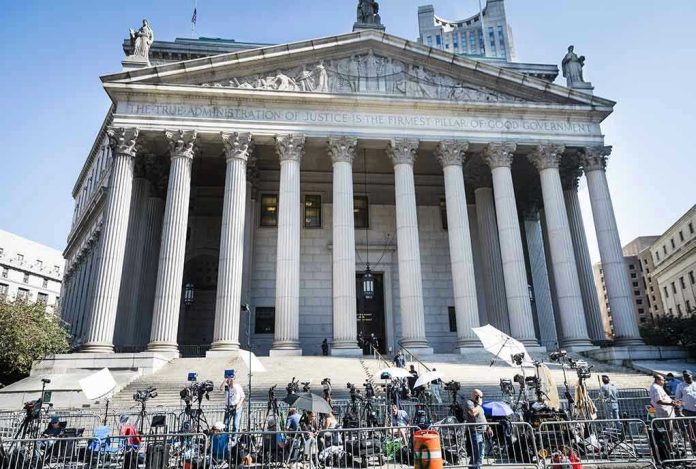
On August 20 or 22, 2025, Judge Simpson dismissed the core felony civil rights charges, ruling Walker’s self-defense gunfire as the “natural consequence” and legal cause of Taylor’s death. The court acknowledged the tragedy but rejected any direct link from the warrant flaws or entry to her fatality. Meany’s attorney Brian Butler expressed pleasure at the outcome. No comments came from DOJ, LMPD, or Taylor’s family. Cases proceed on lesser misdemeanor counts like falsification and false statements.
Implications for Police Accountability
Officers now face maximum penalties of fines or one year instead of life, boosting defense morale while prolonging litigation. Taylor’s family endures delayed closure; Louisville’s Black communities question reform progress post-protests. The ruling sets potential precedent shielding warrant planners in chaotic raids where self-defense intervenes, questioning DOJ’s strategy in civil rights cases. It renews debates on police immunity during legitimate drug hunts, upholding legal causation over political pressure. Hankison’s separate case continues as a partial counterpoint.
Sources:
Straight Arrow News: Former officers’ felony charges dropped in Breonna Taylor case
NC Newsline: Judge’s logic-defying order brands Breonna Taylor’s protector her killer