
A federal prosecutor told a sitting senator to keep every scrap of his donor-hunting paperwork—and that is where the real fight begins.
Story Snapshot
- U.S. Attorney Aaron Reitz told Sen. Richard Blumenthal to preserve records tied to his probe of White House ballroom donors.
- Blumenthal had asked more than a dozen donors for detailed information about solicitations, amounts, anonymity, and contacts with officials.
- Blumenthal denied intimidation and fired back with his own preservation demand to Reitz.
- Both sides claim principle; the paperwork will reveal whether this was oversight or pressure.
What Blumenthal Demanded From Donors
Sen. Richard Blumenthal sent letters to donors tied to the White House ballroom effort and asked for specific details about their giving. He sought names of people who asked for money, whether certain amounts were suggested, and whether anonymity was offered. He asked for copies of agreements and a log of every contact donors or their agents had with the White House or any federal agency. That scope goes beyond simple transparency. It aims at the who, how, and why behind the money trail.
That type of questionnaire has a sharp edge. Donors often expect privacy along with lawful disclosure filings. Demanding internal communications and contacts with agencies can feel like a legal audit, not a routine query. Congressional oversight can request information to inform laws. Yet when the request targets private citizens and their networks, the line between inquiry and pressure gets thin. The words on those letters, and how they were delivered, matter to judging motive and effect.
Why A Preservation Letter Escalates The Stakes
U.S. Attorney Aaron Reitz responded with a records preservation demand to Blumenthal. He warned that documents and communications tied to the ballroom donor probe must be kept intact. A preservation order is not an accusation. It is a legal shelf tag that says, “Do not erase.” In Washington fights, that tag often lands when prosecutors think evidence might resolve a dispute. It freezes the scene so facts can speak later, if needed, in court or a grand jury room.
Preservation letters also change political tempo. They move a clash from talking points to timelines and chain-of-custody. If donors felt chilled, their messages, emails, and call logs could show it. If the Senate office acted within normal bounds, its process notes and counsel reviews could show that too. This is why common sense says keep everything, then sort signals from noise under rules, not spin.
Blumenthal’s Pushback And The Competing Storylines
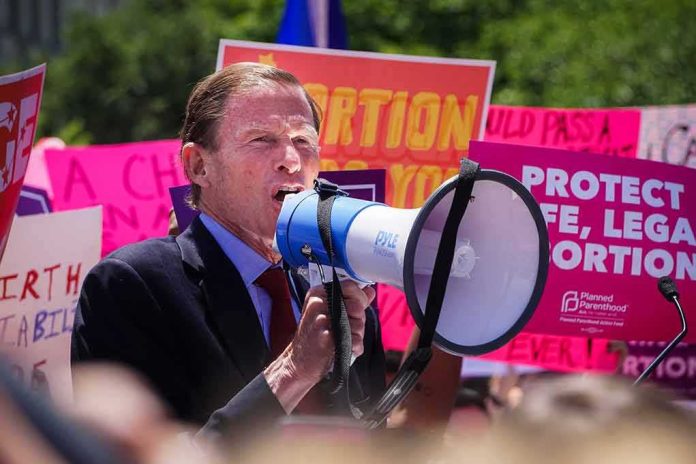
Blumenthal denied any intimidation. He said he would not be cowed and that his inquiry served constitutional oversight. He then issued a reciprocal preservation notice to Reitz, seeking records on how and why the prosecutor sent his letter. He framed Reitz’s action as shielding corporate donors and executive branch officials from scrutiny. He also vowed to keep investigating possible misuse of taxpayer money linked to the ballroom project. That counterpunch sets up mirror claims and a paper chase in both directions.
Blumenthal asked donors to Trump's $330 million ballroom for records about possible government favors. U.S. Attorney Aaron Reitz responded with a preservation demand citing two federal civil-rights crimes, without identifying a specific deprivation of anyone's rights.
The First… https://t.co/ZVuEQstK9H
— Mike Young (@micyoung75) November 12, 2026
Public reporting shows what each side thinks matters most. Reitz’s move centers the treatment of private citizens who gave to a project aligned with President Trump. Blumenthal’s stance centers government integrity and the use of public funds or influence by well-connected donors. The hinge is intent and method: Was Congress gathering facts for legislation, or was it pressuring Americans for their associations? The donor letters and internal staff notes will carry the answer better than dueling press lines.
Conservative Lens: Oversight Must Not Become Intimidation
American conservative values draw a straight line here. Government holds power. Private citizens do not. Oversight is proper when it checks agencies and guards the purse. It fails when it chills speech and association. Asking who solicited, what amounts were “suggested,” and who spoke to agencies can, in some settings, map influence. It can also paint a target on citizens for their beliefs. Courts have long warned that exposure can be punishment when politics runs hot.
That does not make every tough question improper. It does mean Congress must tie requests to a clear lawmaking need and keep to procedures that protect privacy. Prosecutors, for their part, should not criminalize oversight. They should defend citizens’ rights and preserve evidence without theater. The best test is old-fashioned: narrow requests, clear authority, documented purpose, and even-handed treatment across parties.
What To Watch Next: The Documents Will Tell
First, watch for the actual donor letters, not summaries. Wording and tone decide whether a request feels like a subpoena in disguise. Second, look for any signs of leak or retaliation around donor names. Disclosure that triggers harassment crosses a bright line most Americans reject. Third, see whether Reitz ties his preservation step to a formal inquiry or grand jury matter. A clear legal lane reduces claims of politics.
Fourth, follow Blumenthal’s process notes and counsel memos, if they are produced. A documented legislative purpose and measured scope will support his case. Finally, track whether both sides keep faith with the record. Preservation is not theater when it protects citizens and truth. If this fight ends with facts, not fear, it will set a better standard for how Congress and prosecutors handle donors, power, and the pressure between them.