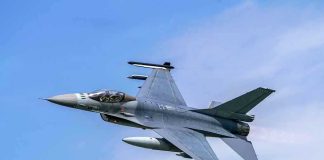


The Pentagon promises 300 next-generation F-47 fighters by the mid-2030s, but after killing the F-22 early and watching the F-35 drag on for two decades, taxpayers have every reason to doubt another rosy timeline from defense bureaucrats.
Story Snapshot
- Air Force awarded Boeing the F-47 contract in March 2025, targeting a 2028 first flight despite the F-22’s early termination at just 187 jets and the F-35’s 20-year development nightmare.
- Officials claim X-plane prototypes will accelerate production, but no credible evidence supports delivering 300 sixth-generation fighters by the mid-2030s.
- The program was paused in May 2024 over costs triple the F-35’s unit price, raising red flags about another budget-busting boondoggle.
- Trump administration touts the F-47 as unmatched globally, yet skeptics warn delays could leave America vulnerable as China advances its own sixth-gen capabilities.
Pentagon’s Track Record Inspires Zero Confidence
The Air Force terminated F-22 Raptor production in 2009 at just 187 aircraft after unit costs ballooned past $350 million, abandoning a premier air superiority platform before meeting operational needs. Meanwhile, the F-35 Joint Strike Fighter limped through a grueling 20-year development cycle plagued by cost overruns, concurrency failures, and endless delays that eroded trust in defense procurement. Now, officials promise the F-47 sixth-generation fighter will somehow avoid these pitfalls, delivering hundreds of jets by the mid-2030s despite a history screaming otherwise. Taxpayers frustrated with government waste see this as another example of overpromising and underdelivering on their dime.
F-47 Program Claims Speed Through Prototypes
Boeing won the Next Generation Air Dominance contract in March 2025, with President Trump announcing the F-47 as the world’s first sixth-generation fighter ready to dominate adversaries. The Air Force touts years of X-plane prototype flights by Boeing and Lockheed since 2020 as critical risk reduction, supposedly enabling a faster timeline than the F-22’s six-year prototype-to-flight span. General David Allvin set a 2028 first flight goal, while General Dale White confirmed in February 2026 the program is “doing exceptionally well.” Yet the official plan mentions only 185-plus jets initially, not the 300 cited by skeptics questioning full operational capability timelines stretching into the mid-2030s or beyond.
Costs and Capability Gaps Fuel Doubts
Secretary of Defense Frank Kendall paused the F-47 program in May 2024 after costs hit three times the F-35’s unit price, exposing fiscal realities that contradict optimistic schedules. The Air Force allocated $4.4 billion for fiscal year 2026, but scaling production to hundreds of aircraft without repeating F-35-style budget overruns seems implausible given past procurement failures. The F-47 promises Mach 2-plus speed, over 1,000 nautical miles of combat radius, and drone control integration to counter China’s advances in the Pacific theater. However, delays risk leaving a critical capability gap as adversaries field their own sixth-generation platforms, undermining deterrence and American air superiority.
Political Promises Clash With Military Realities
Trump’s March 2025 announcement framed the F-47 as a technological leap using digital engineering to accelerate delivery, appealing to voters weary of endless defense spending without results. Boeing’s CEO emphasized maturity from prototype work, claiming a head start over previous programs. Yet expert commentary from aviation analysts and former fighter pilots warns the mid-2030s timeline for 300 jets is unrealistic, echoing the F-35’s pattern of initial hype followed by sobering delays. This gap between political rhetoric and operational reality erodes confidence among Americans tired of funding programs that fail to deliver on promises while racking up staggering bills.
The F-47 initiative represents either a genuine breakthrough in defense procurement or another costly mirage that sacrifices fiscal responsibility and national security for short-term political gain. With Boeing’s St. Louis production line revitalized and the Air Force committed to initial deliveries by the late 2020s, the program’s fate will test whether lessons from the F-22 and F-35 debacles have been learned. For now, taxpayers and military families deserve skepticism over government assurances, demanding accountability to prevent another two-decade boondoggle that leaves America exposed while bureaucrats shuffle blame. The Constitution’s mandate to provide for the common defense requires competent stewardship, not empty promises dressed up as innovation.
Sources:
F-47 Program’s Accelerated Pace Made Possible By NGAD X-Plane Efforts – The War Zone
F-47 Program On Track for 2028 Flight – Air & Space Forces Magazine
Air Force Awards Contract for Next Generation Air Dominance (NGAD) Platform F-47 – U.S. Air Force
F-47 Program Details Revealed in New Graphic – Aviation Week