

While El Chapo rots in a Colorado supermax, a more dangerous and cunning drug lord has quietly seized control of the most lucrative smuggling corridor in Mexico, flooding American streets with fentanyl and evading capture despite being arrested four times without spending a single night in prison.
Story Snapshot
- Fausto Isidro Meza Flores now dominates northern Sinaloa’s fentanyl and methamphetamine production, exploiting the Sinaloa Cartel’s internal collapse to become Mexico’s top drug exporter to the United States
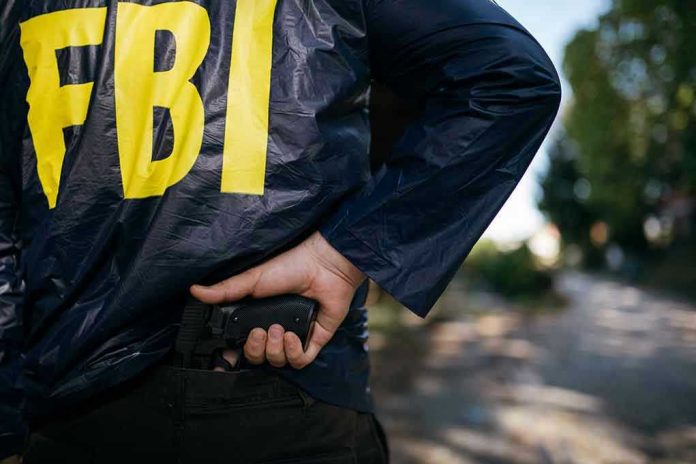
- The FBI added Meza Flores to its Ten Most Wanted Fugitives list in February 2025 with a five million dollar reward, yet he remains free despite four previous arrests between 2011 and 2020
- Violence in Sinaloa has quadrupled over four years with killings, kidnappings, and arson surging as Meza Flores consolidates power through his splinter faction of the Beltrán Leyva Cartel
- Mexican security officials describe him as exporting more drugs than all his rivals combined, operating from mountain strongholds in Guasave while maintaining alleged corruption networks that have protected him for decades
The Ghost Who Walks Through Prison Doors
Fausto Isidro Meza Flores earned his nickname “El Chapo Isidro” not through imitation but through a chilling parallel: like Joaquín Guzmán before him, he possesses an uncanny ability to evade consequences. Born June 19, 1982, in Navojoa, Sonora, Meza Flores started as a teenage enforcer for the Juárez Cartel in the 1990s under Amado Carrillo Fuentes. After Carrillo’s 1997 death, Meza Flores defected to the Beltrán Leyva Cartel as a skilled sicario. His loyalty during the 2009 government killing of cartel founder Arturo Beltrán Leyva earned him control of Los Mazatlecos, a faction specializing in methamphetamine, heroin, and cocaine smuggling across Sinaloa and Nayarit states.
What distinguishes Meza Flores from flashier cartel celebrities is his operational invisibility paired with baffling impunity. Between 2011 and 2020, Mexican authorities arrested him four times. Each arrest ended without imprisonment, fueling allegations of deep corruption within law enforcement and judiciary ranks. Unlike El Chapo’s tunnel escapes and cartel folklore, Meza Flores simply walked away through legal mechanisms that remain unexplained in official records. This pattern suggests protection networks reaching levels of government that most drug lords only dream of accessing, raising uncomfortable questions about institutional rot in Mexico’s justice system.
Inheriting an Empire From the Beltrán Leyva Ashes
When the Beltrán Leyva Cartel splintered after Arturo’s death, most factions collapsed into infighting or absorption by rivals. Meza Flores inherited operations from his uncles Agustín and Salomé Flores Apodaca, who had built logistics networks throughout northern Sinaloa. Agustín’s 2012 arrest might have crippled the organization, but Meza Flores consolidated control with mentorship from Héctor Beltrán Leyva, who elevated him before dying under suspicious circumstances in 2018. Mexican authorities called it a heart attack; insiders whispered otherwise. By then, Meza Flores had transformed Los Mazatlecos into a vertically integrated drug trafficking organization controlling production labs, smuggling routes, and distribution cells reaching Arizona.
The US Treasury Department designated the Meza Flores Drug Trafficking Organization years ago, sanctioning family members and front companies like Autotransportes Terrestres that laundered proceeds. Yet these measures failed to disrupt operations centered in Guasave’s mountainous terrain, where government forces rarely venture and local populations either support or fear the cartel. A 2010 near-capture in Choix municipality killed twelve of his gunmen and two soldiers but left Meza Flores unscathed. His organization’s resilience stems from geographic advantages, community entrenchment, and a business model that pivoted early to synthetic drugs, positioning him perfectly for the fentanyl epidemic ravaging American communities.
The Sinaloa Cartel’s Chaos Becomes His Opportunity
Meza Flores spent over a decade locked in bloody rivalry with the Sinaloa Cartel, particularly Joaquín Guzmán’s sons known as Los Chapitos. Kidnappings, executions, and territorial skirmishes defined this conflict through the 2010s. But the landscape shifted dramatically when internal fractures tore the Sinaloa Cartel apart following arrests and betrayals among its leadership. Los Chapitos faced pressure from rival factions within their own organization, fragmenting the cartel that once dominated Mexican drug trafficking with near-monopoly control. Meza Flores recognized this chaos as opportunity, expanding operations into territories his rivals could no longer defend while they fought amongst themselves.
Mexican security sources speaking to reporters in early 2026 identified Meza Flores as the main beneficiary of the Sinaloa war, describing him as now exporting more drugs than everyone else combined. December 2024 saw the largest fentanyl seizure in Mexican history within his corridor—over one ton—yet operations continued uninterrupted. By February 2025, the FBI elevated him to its Ten Most Wanted list with a five million dollar reward, acknowledging what Mexican officials already knew: Meza Flores had become the most powerful drug trafficker actively operating in Mexico. His dominance extends particularly over synthetic drug production, the trade that generates the highest profit margins and feeds America’s opioid crisis.
A Quieter Monster, A Deadlier Legacy
Where El Chapo courted media attention and cultivated a Robin Hood mythology, Meza Flores operates with deliberate obscurity. He grants no interviews, commissions no corridos celebrating his exploits, and avoids the theatrical gestures that turned previous cartel leaders into folk antiheroes. This strategic invisibility makes him harder to track and eliminates the public pressure that often precedes government crackdowns. Yet his organization’s violence speaks volumes: killings, kidnappings, and arson have quadrupled across northern Sinaloa over four years, terrorizing communities in Guasave, Los Mochis, and Mazatlán. Residents live in fear while authorities struggle to contain bloodshed that includes targeted assassinations of police and military personnel.
The broader implications extend beyond Mexico’s borders. Meza Flores now controls critical smuggling infrastructure feeding fentanyl and methamphetamine into American communities already devastated by addiction. His operations contribute directly to overdose deaths that claim tens of thousands of American lives annually, yet he remains untouchable in mountain strongholds where Mexican forces lack the will or capability to operate. Alleged corruption networks that freed him after four arrests suggest he maintains protection at levels that should alarm both Mexican and American authorities. The rise of such a figure—ruthless, connected, and focused on the most lethal products—represents a disturbing evolution in transnational organized crime.
Sources:
Fausto Isidro Meza Flores – Wikipedia
A new ‘El Chapo’ emerges in Sinaloa – EL PAÍS English
Treasury Sanctions Fausto Isidro Meza Flores Drug Trafficking Organization
Fausto Isidro Meza Flores – U.S. Department of State