
Dozens of diplomats walked out while police cuffed protesters outside, and Benjamin Netanyahu kept talking.
Story Snapshot
- Netanyahu addressed the United Nations General Assembly in New York on Sept. 24, 2026.
- Dozens of delegates walked out as he began his speech, a visible diplomatic rebuke.
- Police arrested protesters, including public figures, outside United Nations headquarters.
- Walkouts at the United Nations have become a common signal on polarizing issues.
Walkout inside the hall, wave of arrests outside
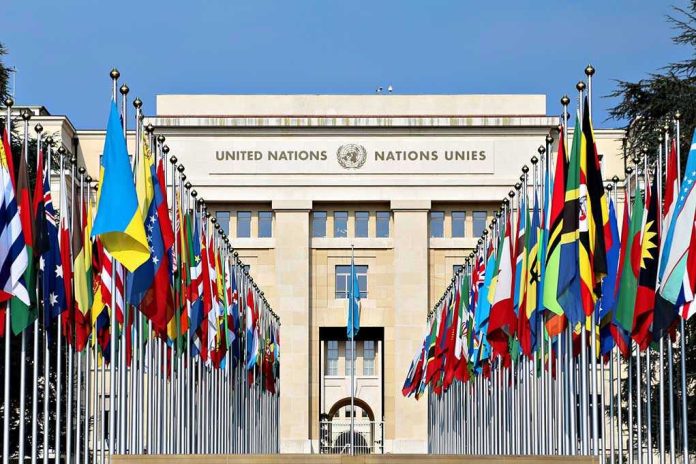
Israeli Prime Minister Benjamin Netanyahu spoke at the United Nations General Assembly in New York and defended Israel’s actions in the region. As he began, dozens of delegates stood and left the hall in protest, turning the opening moments into a choreographed message of dissent. Outside the complex, New York police made arrests as crowds rallied near the barricades. Officers detained at least 30 people, including actors and politicians, during the demonstrations tied to the speech.
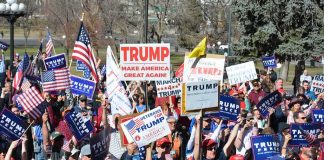
The protest scene ran on two tracks. One block hosted chants condemning Israel’s conduct in Gaza. Another block drew counter-protesters who backed Israel and slammed the walkouts as empty theatrics. Police expanded the buffer zone and funneled foot traffic as the crowd grew. The protests began before the remarks and surged again as Netanyahu left the podium, echoing the same split seen on the floor inside the hall.
What Netanyahu argued and why the room moved
Netanyahu used his time to reject allegations against Israel and to stress the need to keep pressure on its enemies. He framed Israel’s strikes and security posture as both lawful and necessary. The walkouts undercut that message by showing how many governments wanted distance on camera. That contrast—a forceful defense at the microphone and emptying rows on screen—became the lasting image of the day.
Diplomats used a simple tool that costs little and signals a lot. Walking out spares them a fight on the floor, yet still makes a headline at home. It also avoids the deeper rupture that a formal censure can bring. That is why this move has become more common at the United Nations on hard conflicts and human rights disputes. Reporters and observers now treat such exits as part of the playbook during tense sessions.
Why this spectacle matters beyond one speech
Walkouts and street marches feed each other. Delegates stepping out energize protesters outside, who then claim momentum. Leaders on the stage answer both audiences at once, which can push a speech from policy into theater. Netanyahu leaned into that tension and kept his focus on Israel’s security case, which fits a leader who faces critics abroad yet wants to project resolve to allies and voters at home.
NETANYAHU CONFRONTS UN PROTESTS | DEMONSTRATIONS ERUPT DURING ISRAELI PM’S NEW YORK VISIT
Protests erupted across New York City during Israeli Prime Minister Benjamin Netanyahu’s visit to the United Nations, with Democratic Socialist activists among the most vocal critics and… pic.twitter.com/dvy6Bj3vVO
— CSB News USA (@csbnewsus) September 25, 2026
The American conservative lens reads the day this way: free speech cut both ways, and everyone used it. The delegates who left signaled their stance without hijacking the mic. The police enforced order on New York streets while allowing protest to continue. Netanyahu stated his policy and took the heat. That is the system working—loud, messy, but also clear about who stands where.
The United Nations ritual you will see again
This script will repeat. A war or crackdown draws global attention. A leader arrives at the United Nations and defends a hard line. Delegates walk to the exits while cameras roll. Crowds outside chant and clash over barriers. The point is not to end the dispute in one day. The point is to mark where each side stands, in a way that both capitals and citizens cannot miss. That is why this format endures—and why it still matters.
Sources:
youtube.com, reuters.com, nytimes.com