
A pardoned January 6 rioter led an explicitly anti-Muslim protest outside America’s largest city’s mayoral residence, culminating in smoke devices, a bomb squad scramble, and six arrests—yet another escalation in the systematic targeting of the nation’s first Muslim mayor of New York City.
Story Snapshot
- Six arrests followed the discovery of suspicious devices and deployment of smoke-generating items during an organized anti-Islam demonstration outside Gracie Mansion on Saturday
- Jake Lang, a Trump-pardoned Capitol rioter with a documented pattern of anti-Muslim agitation, orchestrated the protest targeting Mayor Zohran Mamdani
- NYPD bomb squad responded to two suspicious devices, one emitting smoke, while counterprotesters clashed with Lang’s supporters amid pepper-spray assaults
- The incident followed radio host Sid Rosenberg’s recent on-air attack calling Mamdani an “America hating, Jew hating, Radical Islam cockroach”
When Presidential Pardons Fuel Religious Intimidation
Jake Lang arrived at Gracie Mansion with a resume that would concern any reasonable observer: vandalism at the Minnesota State Capitol, threatening a police officer at a January 6 anniversary event, and leading a “crusader march” through Minneapolis that explicitly demonized Muslims. Each incident resulted in arrests or charges. Each was followed by another provocation. President Trump’s pardon transformed Lang from convicted rioter to emboldened agitator, and Saturday’s events at the mayor’s official residence represent the logical progression of that empowerment.
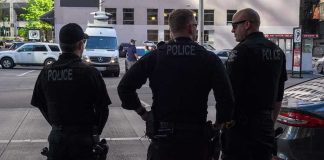
The NYPD had pre-positioned officers precisely because Lang’s demonstrations predictably attract violence. This time, officers monitoring the scheduled anti-Muslim protest spotted two suspicious devices near the residence. One began emitting smoke. The bomb squad responded while officers pushed crowds back, unsure whether the smoke generator concealed something deadlier. Photographs captured a protester holding the smoking object before hurling it toward police lines, then being wrestled into handcuffs.
The Escalating Pattern Against Muslim Leadership
Zohran Mamdani’s election as New York City’s first Muslim mayor drew predictable hostility from certain quarters, but the intensity and coordination of attacks have accelerated alarmingly. Days before the Gracie Mansion incident, prominent radio personality Sid Rosenberg labeled the mayor an “America hating, Jew hating, Radical Islam cockroach” on air. Rosenberg later apologized under public pressure, yet the damage was calculated: dehumanizing language historically precedes physical intimidation. Lang’s protest followed within the same news cycle.
Lang’s track record reveals deliberate escalation. In Minneapolis, his anti-Muslim march praised immigration agents involved in a fatal shooting and was overwhelmed by counterprotesters who chased him from the area with water balloons. The Minnesota ice-sculpture vandalism drew charges but minimal consequences. The threatening statements case against a police officer at a January 6 event similarly failed to deter. Each incident taught Lang that provocations targeting Muslims, immigrants, and progressive officials generate media attention and right-wing fundraising support without serious legal accountability.
What Smoke Devices and Bomb Squads Actually Mean
The NYPD characterizes the devices as likely smoke-generating rather than explosive, a distinction media outlets emphasize to avoid panic. Yet the bomb squad deployment and six arrests tell a different story about threat assessment. Smoke devices at political protests serve multiple tactical purposes: creating chaos for potential violence, testing security response times, and normalizing increasingly aggressive confrontational tactics. Whether the thrower intended a bomb or merely wanted to terrorize is almost irrelevant when the target is a mayor’s home and the motivation is religious hatred.
NYPD officials confirmed no injuries or property damage, and the mayor’s office declined immediate comment. Whether Mamdani or First Lady Rama Duwaji were inside Gracie Mansion at the time remains unclear, though his public schedule placed him in the city that Saturday. The absence of casualties should not obscure the core reality: organized extremists brought devices requiring bomb-squad investigation to a sitting mayor’s residence during a demonstration explicitly designed to intimidate based on his faith.
The Counterprotest Dimension and Pepper Spray Violence
Lang’s far-right supporters faced organized resistance from counterprotesters defending Mamdani and opposing Islamophobia, a dynamic that played out violently. At least one Lang supporter deployed pepper spray against opponents, resulting in additional arrests for assault and disorderly conduct. The clashes underscore New York’s polarized political environment, where battles over immigration, policing, and religious pluralism increasingly spill from rhetoric into physical confrontation at symbolic locations.
The pattern mirrors Lang’s Minneapolis experience, where counterprotesters vastly outnumbered his “crusader march” participants and drove them from the area. Yet unlike Minneapolis, the New York incident escalated to suspicious devices and chemical weapons. The progression suggests that as counterprotest effectiveness increases, far-right agitators employ more dangerous tactics to maintain shock value and media coverage. Presidential pardons for January 6 participants sent an unmistakable signal that certain political violence carries minimal long-term consequences for the ideologically aligned.
Security Implications and Institutional Response Gaps
Gracie Mansion now requires enhanced security protocols, with NYPD forced to dedicate expanded resources to protecting a mayor from religiously motivated threats. The financial and operational costs are substantial, but the political costs may prove larger. Every security escalation validates the agitators’ power to disrupt governance and consume public resources. Every cautious mayoral statement avoiding “inflammatory” language about Islamophobia represents a small victory for intimidation over leadership.
The investigation continues, with authorities determining final charges related to the devices and assaults. Early reports suggest the smoke-device throwers face relatively minor charges—disorderly conduct, reckless endangerment—rather than terrorism or weapons offenses. This charging pattern will set important precedents. If bringing smoke-generating devices to a mayor’s home during a hate demonstration yields only misdemeanor consequences, the message to future agitators is clear: escalation is cheap, and targeting minority officials for their faith remains a viable political tactic in post-pardon America.
Sources:
Suspicious devices found near NYC Mayor Mamdani’s residence – The Independent
Suspicious Devices Found Outside Zohran Mamdani’s Residence – TMZ
6 arrested after ‘suspicious device’ thrown during protest outside NYC mayor’s home – ABC News