

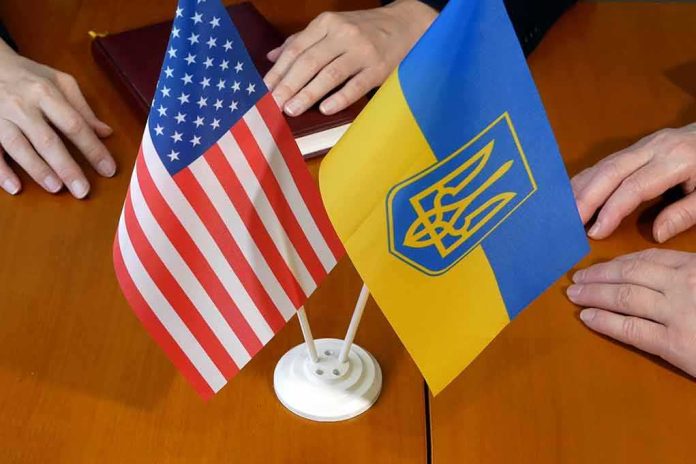
A U.S.-mediated push in Abu Dhabi produced a Russia–Ukraine deal for what negotiators called the largest prisoner exchange of the war.
Story Snapshot
- Russian, Ukrainian, and U.S. negotiators confirmed an exchange “in principle.”
- Talks ran two days in Abu Dhabi with U.S. mediation by Jared Kushner.
- Negotiators said it could be the biggest humanitarian prisoner release.
- Russia suggested a two-to-three-week window for the swap to occur.
Deal Announced After Two Days Of U.S.-Mediated Talks
Russian and Ukrainian delegations agreed in principle to conduct a large exchange of prisoners of war after two days of talks in Abu Dhabi. Russian negotiator Vladimir Medinsky confirmed the agreement. Ukrainian representative Rustem Umerov and U.S. mediator Jared Kushner also confirmed the plan, aligning the accounts from all three sides. The parties framed the exchange as humanitarian. The talks concluded without a broader political breakthrough, but with a clear path for a significant swap.
Jared Kushner said the sides planned “the biggest humanitarian release of prisoners,” with numbers to be finalized the next day. That superlative signals scale and ambition, even as final lists were still pending at the time. Medinsky called the understanding “in principle,” which is common diplomatic language during final drafting. Russia floated a two-to-three-week target for execution, suggesting the teams discussed logistics and timing rather than stopping at headlines.
Why The Confirmation From All Sides Matters
Concurrent confirmation from Russia, Ukraine, and the United States reduces the chance of a one-sided narrative. Reporters at the scene cited direct statements from Medinsky, Umerov, and Kushner, linking the swap to the Abu Dhabi meetings. That triangulation offers a firmer base than a single leak or anonymous tip. The location, time window, and named officials frame a verifiable sequence. This is the kind of practical result that diplomacy should deliver when lives are at stake.
Prisoner exchanges have remained one of the few steady channels between Moscow and Kyiv since 2022. Independent studies and human rights briefings have tracked dozens of swaps and related releases over the past years, even when front-line fighting escalated. That track record makes another large exchange plausible in kind. It shows that humanitarian deals can advance even when political talks stall, because both sides face families waiting and units that want their people home.
Scale, Timing, And The “In Principle” Caveat
Negotiators did not publicly release numbers or names during the announcement. Kushner said the delegations would lock the totals the next day, and Medinsky declined to share details. The lack of a final roster at the podium does not change the central point: the parties agreed to exchange prisoners and attached it to an active diplomatic track. Russia’s suggestion of a two-to-three-week timeline implies concrete planning for handoff sites, transport, and medical checks.
The phrase “in principle” signals that lawyers and logisticians still had work to do. Veteran observers of such talks know that manifests, sequencing, and verification steps often follow public signals. That is normal. The newsworthy part is alignment across delegations and a near-term window for action. From a common-sense view, getting captives home checks a core conservative box: deliver results, reduce human suffering, and do it without endless process talk.
The U.S. Role And What Comes Next
U.S. mediation in Abu Dhabi put American leverage behind a narrow humanitarian goal both sides could accept. Reports identified Kushner and business leader Steve Witkoff as U.S. participants in the room. That setup mirrors a known pattern: outside intermediaries create space for focused deals while sidestepping deadlock on territory or sanctions. If the swap lands on time, it will validate the choice to prioritize tangible gains over grand communiqués.
BREAKING: Russia-Ukraine talks in Abu Dhabi ended with a deal on a large prisoner swap, both sides' negotiators say. No ceasefire was announced.
Russia's chief negotiator, Vladimir Medinsky, said a "large-scale" prisoner exchange was agreed and that "mutual understanding" was…
— OMBI.MrPresentable (@CouncilShiba) November 11, 2026
Successful exchanges usually require neutral verification and careful choreography. The International Committee of the Red Cross has often played that role in this war, facilitating messages, visits, and repatriations when authorized. While the Abu Dhabi readouts did not list operational partners, past practice suggests humanitarian groups help confirm identities, monitor treatment, and support medical triage during handovers. That layer turns a diplomatic promise into a safe, orderly return home.
Sources:
military.com, cbs17.com, npr.org, canberratimes.com.au, abc.net.au, thehill.com, icrc.org, aber.ac.uk