

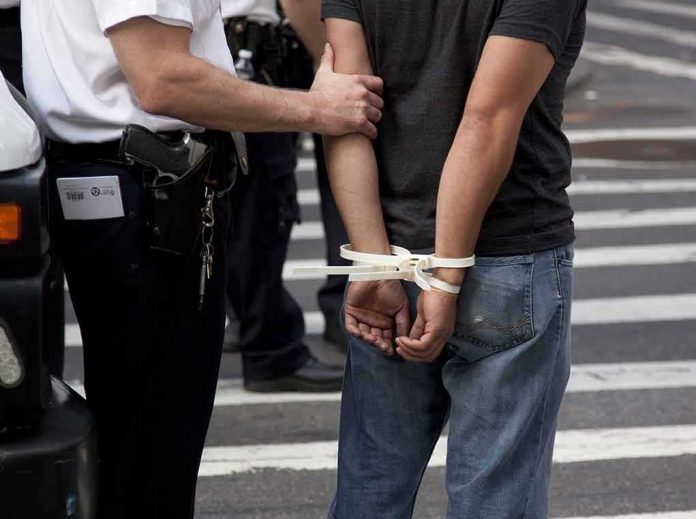
A 6:10 a.m. booking, a felony strangulation charge, and a judge’s swift probable-cause ruling turned Rick Ross’s private life into a public criminal case.
Story Snapshot
- Miami Beach police booked Rick Ross on felony battery by strangulation and misdemeanor battery.
- Records tie the case to an alleged August 28 incident at his Star Island home.
- A judge found probable cause and ordered Ross to stay away from the accuser.
- Ross pleaded not guilty and says the claims are fabricated.
What the arrest and charges actually say
Miami-Dade jail and court records show officers booked Rick Ross, legal name William Leonard Roberts II, around 6:10 a.m. on October 1. The entries list one felony count of battery by strangulation and one misdemeanor battery count, both flagged as domestic-violence related. Coverage describes the case as stemming from an August incident at his Star Island home. These points come straight from the booking record and early court summaries, not rumor or blog chatter.
Florida law treats strangulation in a domestic setting as a serious felony because it signals risk of severe harm. Judges take the allegation seriously at the first hearing. That is what happened here. Reports from bond court quote Miami-Dade Circuit Judge Mindy Glazer saying she reviewed the arrest report and found probable cause. The court then set release terms, including a stay-away order to protect the accuser while the case moves forward.
How the alleged incident moved from private dispute to public case
Police and court reporters tie the arrest to a late-August event. The accuser told police Ross choked and struck her during an argument at his Star Island residence. Several outlets refer to an arrest affidavit, but they do not publish it in full. That gap limits public review of the exact claims and any medical or photo evidence. The timeline also shows a lag between the alleged date and the arrest, a pattern that is common in domestic cases due to reporting delays and investigation steps.
Ross denies the claims and entered a not-guilty plea. His lawyer told reporters the allegations are false, and urged the public to withhold judgment until evidence is tested in court. Ross echoed that message on social media, calling himself totally innocent and the accusations fabricated. The defense strategy is clear: separate arrest paperwork and probable cause from proof beyond a reasonable doubt, and push for a jury to decide on a full record rather than headlines.
What a probable-cause finding does—and does not—mean
Probable cause is a low legal bar. It asks whether the arrest report and evidence, taken at face value, show a fair chance a crime happened. It is not a verdict. The judge’s finding lets the case proceed, sets bond, and triggers protective orders when needed. It does not prove guilt, and it cannot replace witness testimony, cross-examination, or forensic review. In a strangulation case, prosecutors often highlight risk, while defense teams stress the lack of final proof at this early stage.
⚖️Florida vs William Leonard Roberts II "Rick Ross"⚖️Arrested and Charged with Domestic Violence
The 50-year-old artist faces a felony charge of battery by strangulation and a misdemeanor charge of battery. According to authorities, Ross allegedly attacked his girlfriend during… pic.twitter.com/WUMCPNj6f9
— American Crime Stories (@AmericanCrime01) October 1, 2026
Several reports cite bond figures that vary by a small amount. Some note $6,000 in total; others show split counts or slightly different sums. Discrepancies like this happen on arrest days due to updates across systems and outlets. The core point stands: the court processed Ross that morning, set bond, and imposed a stay-away order. He bonded out and left custody the same day, which is common in non-capital felony cases when the defendant has counsel and a known residence.
The stakes: safety, fairness, and the court of public opinion
Domestic violence allegations demand care for the accuser’s safety and due process for the accused. The stay-away order addresses the first goal. The not-guilty plea and coming discovery process address the second. The facts the public can see right now come from booking entries, brief police summaries, and quotes from court. The arrest affidavit text, medical records, photos, 911 audio, and any witness accounts are not public in full. That will shape how the story evolves and what a jury hears, if it gets that far.
Common sense and conservative values both point to a simple rule here: hold firm on presumption of innocence while insisting on real accountability if the state proves its case. That means letting evidence drive outcomes, not celebrity, not clicks, and not pressure. The first impression may be loud, but the only judgment that counts will come from sworn testimony, the rules of evidence, and a jury’s careful review. Until then, the system should protect the alleged victim and the defendant’s rights in equal measure.
Sources:
theguardian.com, abcnews.com, washingtonpost.com, apnews.com, yahoo.com