
Cuba’s electric grid collapsed on March 4, 2026, plunging millions from Havana to Camagüey into darkness—a crisis born not just from aging infrastructure but from a U.S. stranglehold on oil supplies that turned Venezuela’s downfall into Cuba’s nightmare.
Story Snapshot
- Massive blackout strikes most of Cuba on March 4, 2026, affecting millions from Pinar del Río to Camagüey as the national electrical system fails under persistent deficits.
- Venezuela’s oil shipments ceased after President Maduro’s January 2026 capture by U.S. forces, compounding decades of infrastructure decay and sanctions pressure.
- Cuba’s grid operates at roughly half capacity with deficits reaching 1,785 MW at evening peak, while only one major plant remains operational during the outage.
- The blackout represents the latest in a cascade of failures since 2025, exposing a power system unable to meet basic needs amid geopolitical isolation.
The Perfect Storm of Power Failure
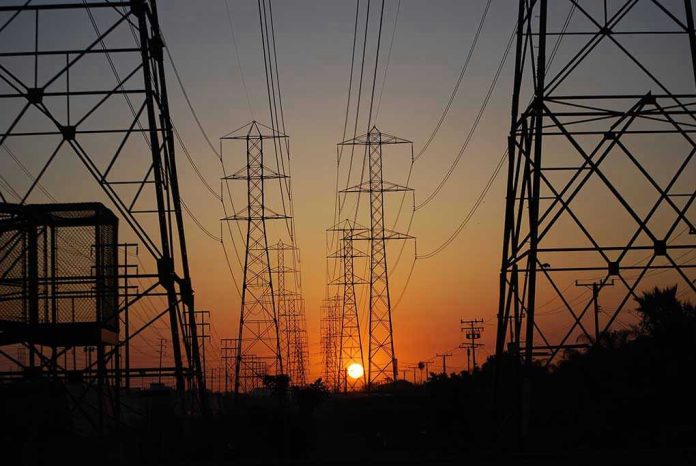
The lights went out across Cuba’s western and central provinces on a Wednesday that felt like the inevitable culmination of years of warnings ignored. The National Electrical System buckled under weight it could no longer bear. With only Felton 1 in Holguín still generating power, the Unión Nacional Eléctrica scrambled to restore service while projecting deficits of 1,150 megawatts by midday and 1,785 megawatts by evening. The math was brutal and simple: Cuba needed roughly 2,000 megawatts but could generate only 1,220. Millions sat in darkness while officials activated recovery protocols that seemed increasingly futile against such staggering shortfalls.
This blackout distinguished itself from prior collapses not through scale alone but through timing. Unlike the March 2025 shutdown triggered by a single substation failure in Havana, this outage struck as Venezuela’s oil taps had run dry. The capture of Nicolás Maduro in early January 2026 during a U.S. operation in Caracas severed Cuba’s primary lifeline. Venezuelan oil shipments that had sustained the island through decades of American sanctions stopped entirely in December 2025. Mexico, facing its own U.S. pressure, had already reduced deliveries. Cuba’s thermal plants, designed for heavy fuel oil imports, became monuments to dependency as storage tanks emptied and generators fell silent across the island.
Infrastructure Collapse Meets Geopolitical Squeeze
Cuba’s electrical crisis predates the current blackout by years, rooted in a grid that has limped along since the 2020 economic meltdown. The country’s thermoelectric plants, particularly giants like Antonio Guiteras, were offline for maintenance or breakdown when the island could least afford it. Five units at Mariel, Nuevitas, Felton, and Antonio Maceo sat idle due to mechanical failures. Antonio Guiteras, the largest plant in the country, had been offline since the Thursday before the March blackout. Solar installations totaling 488 megawatts at peak across 49 parks couldn’t compensate for thermal collapse. The system was designed for a different era and different fuel sources.
Government officials pointed to U.S. sanctions and the oil chokehold as primary culprits, a narrative with undeniable merit given Venezuela’s halt and Mexican reductions. Yet critics highlighted decades of mismanagement, failed investments, and maintenance neglect that left infrastructure crumbling regardless of external pressure. The reality acknowledged both truths: American policy deliberately strangled Cuba’s energy supply while domestic incompetence ensured the system couldn’t adapt or survive on reduced resources. President Miguel Díaz-Canel staged military tank exercises on January 24, signaling government control amid mounting social pressure, but tanks couldn’t generate electricity or repair fractured turbines. The Unión Nacional Eléctrica’s warnings of unscheduled “energy contingency” cuts rang hollow to citizens enduring 12-hour blackouts as routine.
A Nation in the Dark
The immediate consequences rippled through every aspect of Cuban life. Hospitals relied on backup generators while hoping fuel lasted. Food spoiled in refrigerators that became useless boxes. Schools closed. Water pumps stopped. Transportation networks faltered without signals or electric trains. Havana, normally vibrant despite hardships, turned into what observers called a “ghost town” as residents retreated indoors during sweltering nights without fans or air conditioning. The wealthy minority ran private generators while the poor majority sweltered in darkness, a disparity that sharpened social tensions already frayed by years of shortages. The blackout wasn’t an anomaly but an acceleration of decline, pushing a population weary from repeated collapses in 2025—including October’s near-total outage and a series of five-plus blackouts during the holiday season—toward exhaustion.
Long-term implications extend beyond inconvenience into systemic collapse. Estimates suggest Cuba meets only 50 percent of its energy needs, a deficit that cripples economic activity and service delivery. Goods can’t move, businesses can’t operate, and basic utilities fail intermittently. The energy sector’s structural failures cascade through the broader economy, worsening food and water shortages that have plagued the island since 2020. Political pressure mounts on Díaz-Canel’s government as citizens question whether economic reforms or military displays address the fundamental problem: a power grid incapable of sustaining modern life. The question isn’t whether Cuba can restore power temporarily but whether it can rebuild a system that foreign oil dependency and domestic neglect destroyed over decades.
Sources:
Cuba Sigue a Oscuras: Continúan Apagones Masivos y Déficit — CiberCuba
Blackout Hits Most of Cuba Amid US Oil Chokehold — Cyprus Mail
Havana, a Ghost Town Battered by Shortages and US Threats — Le Monde
Cuba Suffers Massive Blackout After Power Plant Failure — Verity News