
Austin’s Sixth Street bloodshed became a second story when online “victim reveals” collided with what officials still refused to put in black and white.
Story Snapshot
- Three people died and roughly 13–14 others suffered gunshot wounds in a March 1, 2026 attack in downtown Austin’s Sixth Street nightlife district.
- Police killed the shooter, Ndiaga Diagne, after he fired from a vehicle and then continued on foot with a rifle near Buford’s Backyard Beer Garden around bar-closing time.
- Federal investigators signaled potential terrorism indicators, but public officials stayed cautious about declaring a definitive motive.
- Victim identities became a hot commodity online, while mainstream reporting initially emphasized the timeline, the suspect, and the investigation.
Sixth Street, 2 a.m.: the kind of chaos that leaves paper trails and unanswered names
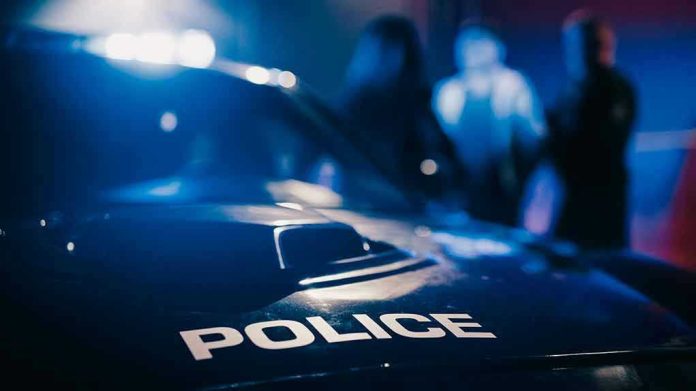
The attack unfolded around 2 a.m. on March 1, 2026, when Sixth Street crowds were thinning and bars were closing, the exact moment the “safe walk to the ride-share” routine starts. Reports describe Diagne firing from his vehicle with a pistol, then exiting and continuing with a rifle toward pedestrians near Buford’s Backyard Beer Garden. Austin police engaged quickly and killed him, halting a scene that still left three dead and more than a dozen wounded.
The “victims revealed” headline ran ahead of the reality that authorities often delay names for sober reasons: notifying families, verifying identities, and sorting out who counts as a victim when injuries range from critical to minor. Early coverage reflected that restraint. As the death toll increased to three and investigators processed the area, the public’s demand for names didn’t fade; it intensified, because people look for narrative closure when random violence feels politically charged.
Why the “jihad” label took off before the FBI closed the file
Indicators pushed many outlets and commentators toward an Islamist-terror framing: clothing described as bearing religious slogans, reported materials linked to Iran, and older social media posts expressing pro-Iran or anti-U.S./anti-Israel sentiment. Those clues matter, but they do not automatically equal a proven motive, and law enforcement language reflected that. The most responsible reading is simple: investigators saw enough markers to treat it as potential terrorism while they verified intent, contacts, and planning.
Americans over 40 have watched this movie before: early facts leak fast, ideological labels harden faster, and then the corrections—if they come—arrive quietly. Common sense says to separate three buckets. Bucket one: what happened on the street (dead, wounded, suspect stopped). Bucket two: what investigators can support with evidence (digital history, travel, associates, financing). Bucket three: what partisan ecosystems want it to mean. Confusing those buckets invites policy built on adrenaline instead of proof.
The immigration backstory became a policy weapon within hours
Reporting and political statements highlighted Diagne’s path to U.S. citizenship, including entry on a visa, later lawful status, and eventual naturalization, plus prior arrests. That narrative ignited arguments about vetting and enforcement, and those arguments will not wait for an FBI press conference. Conservatives who value secure borders and orderly legal immigration have a legitimate interest in how a person with flags in his history moved through the system, but legitimacy still depends on verified records, not viral screenshots.
Texas politics also supplied kindling. The state’s public fight over groups labeled extremist by state leadership versus honored by local leadership became part of the story’s frame, and Austin’s identity as a progressive island inside a conservative state made the clash louder. Readers should treat this context like wind direction at a fire: it can help explain how flames spread, but it does not identify the original spark. Evidence, not symbolism, determines motive.
So were the victims “revealed” or just circulated: the difference matters
Online, “victims identified” can mean three different things: official confirmation by police, reporting by a reputable newsroom citing authorities, or crowdsourced naming based on hearsay. Those are not interchangeable, and older readers know the human cost when the wrong name gets attached to the wrong tragedy. Families get harassed. Employers get calls. Innocent people become targets. A community already rattled by violence ends up rattled again by misinformation dressed up as certainty.
The more political the shooting appears, the more valuable the victims become to competing narratives. One side wants faces to prove a terror storyline; another wants to downplay ideology and treat it as generic gun violence; both impulses can turn victims into props. Conservative values emphasize human dignity and truth-telling. That means resisting the click-driven temptation to “solve” identities faster than authorities can verify them, even when the silence feels like a cover-up.
What to watch next: the documents that outlive the headlines
The next hard facts will come from a small set of sources that tend to be dull but decisive: charging-style investigative summaries (even if the suspect is dead), public records confirming immigration and criminal history, official timelines of police contact, and forensic reporting on weapons and ammunition. If the FBI concludes ideological terrorism, it will likely cite communications, pledges, or operational links. If it does not, it will still explain why the indicators didn’t meet the threshold.
Victims eventually become more than a number when officials provide names, families speak, and communities memorialize. Until then, the most honest posture is patience paired with vigilance: mourn the dead, pray for the wounded, and demand clarity from government without letting social media do the government’s job. Sixth Street will reopen, but the story won’t really close until the motive is documented and the victims are honored as people—not as ammunition in a political fight.
Sources:
Alleged Jihadist Commits Shooting in Downtown Austin
Know About African ‘Extremely Likely’ Jihadist Mass Shooter in Austin
Alleged Jihadist Accused in Deadly Shooting on Austin’s Sixth Street
Possible Terrorism in Texas and Jihad Against Americans
Texas Gunman Expressed Pro-Iranian Regime Sentiment: SITE
List of Rampage Killers (Religious, Political, or Ethnic Crimes)
Two Dead in Texas as Muslim Migrant with Quran Shoots Up Bar; Cops Search for Motive